
- calendar_today June 11, 2026
The ongoing China trade dispute has dealt a substantial economic blow to agricultural producers in Indiana, with losses in state exports pegged at $607 million over the past year, according to a new report by North Dakota State University. This makes Indiana the ninth most-affected state by retaliatory actions from China and highlights the critical impact of international tensions on local farming communities.
Retaliatory Tariffs Deepen Regional Losses
China’s retaliatory tariffs on U.S. agricultural products, enacted in response to heightened trade tensions, have significantly disrupted export channels for Indiana farmers. Among Midwestern states, Indiana has joined Iowa, Illinois, Missouri, and Ohio as some of the hardest-hit by these measures. The regional cost of reduced agricultural exports is underscored by a staggering nationwide decline totaling nearly $14.9 billion between March 2025 and February 2026.
Soybean and Corn Farmers Out Front
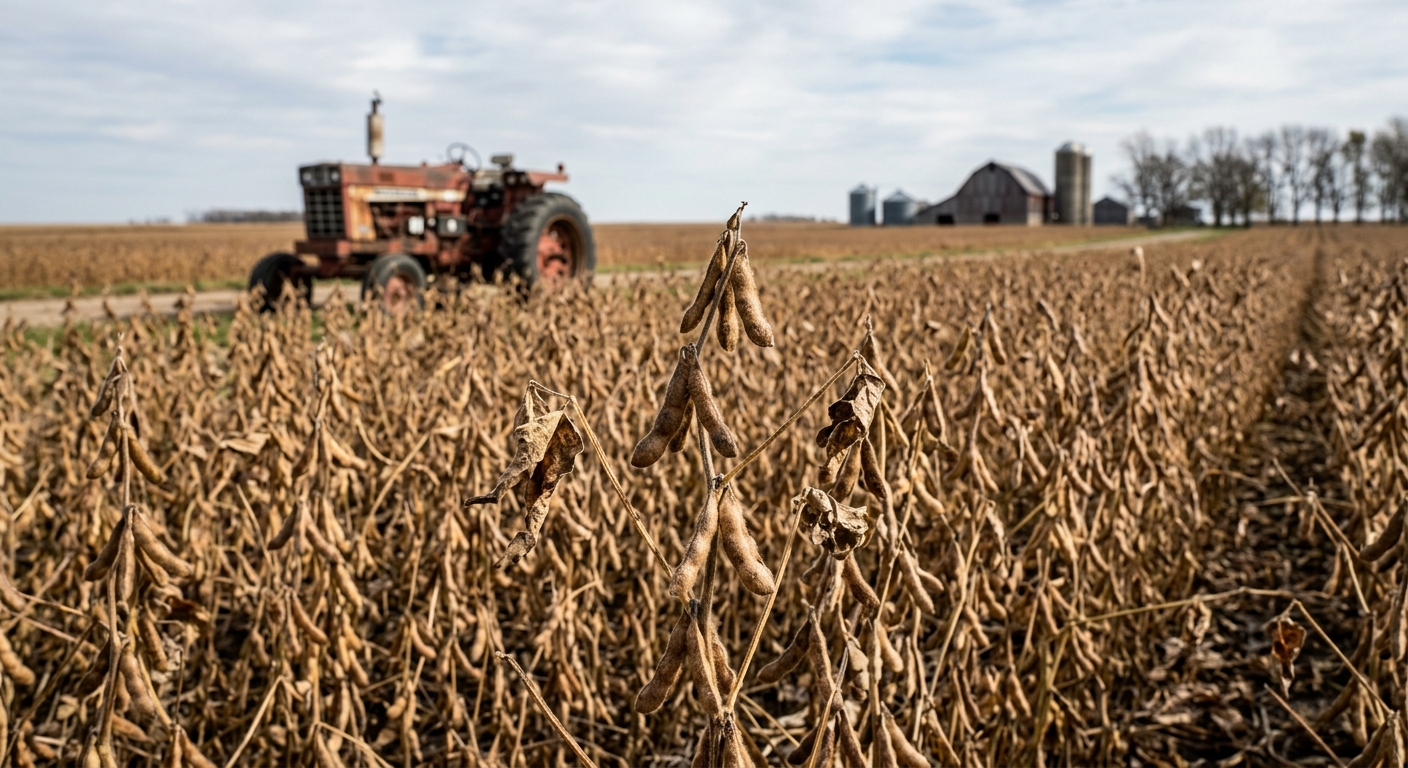
Soybeans have been at the center of these losses, suffering a $6.8 billion reduction at the national level. In Indiana, soybean farmers and corn farmers have absorbed the brunt of the impact. While tree nuts, beef, and cotton exports were also affected, the state’s economic structure leaves it especially vulnerable to disruptions in soybean and corn markets, as these are among Indiana’s dominant crops.
Broad Economic Impact on Indiana Communities
For local communities across Indiana, the fallout from the China trade dispute extends well beyond the fields. The reduction in exports not only threatens farm profits but also affects supply chains, agricultural service providers, and equipment manufacturers. The total farm economic impact ripples into small towns and rural centers, as fewer dollars circulating from crop sales affect local businesses and employment.
Midwest Agriculture Faces Uncertainty
The challenge is not unique to Indiana; the entire midwest agriculture sector faces ongoing uncertainty. Neighboring states similarly dependent on overseas sales have endured major export contractions. The report notes that the region’s position as a global agricultural hub has made it uniquely sensitive to international disputes and China tariffs, raising questions about future resilience and market diversification.
Pressure to Resolve Trade Barriers
Industry groups and policymakers within Indiana are urging action to address trade losses and restore stability for farmers. Relief efforts and strategic negotiations are seen as essential steps toward helping the state’s agricultural sector recover from the US China trade standoff. State institutions, such as Purdue University’s College of Agriculture, continue to provide guidance to producers seeking to navigate ongoing disruptions.
Looking Forward for Indiana Farmers
While the report highlights the scale of the challenge, it also points to opportunities for adaptation. Embracing alternative markets, investing in new crops, and strengthening trade partnerships could play a role in offsetting losses from the china trade dispute. Nonetheless, the need for durable solutions remains crucial for Indiana farmers as they strive to recover from one of the most severe economic setbacks in recent memory.