
- calendar_today June 17, 2026
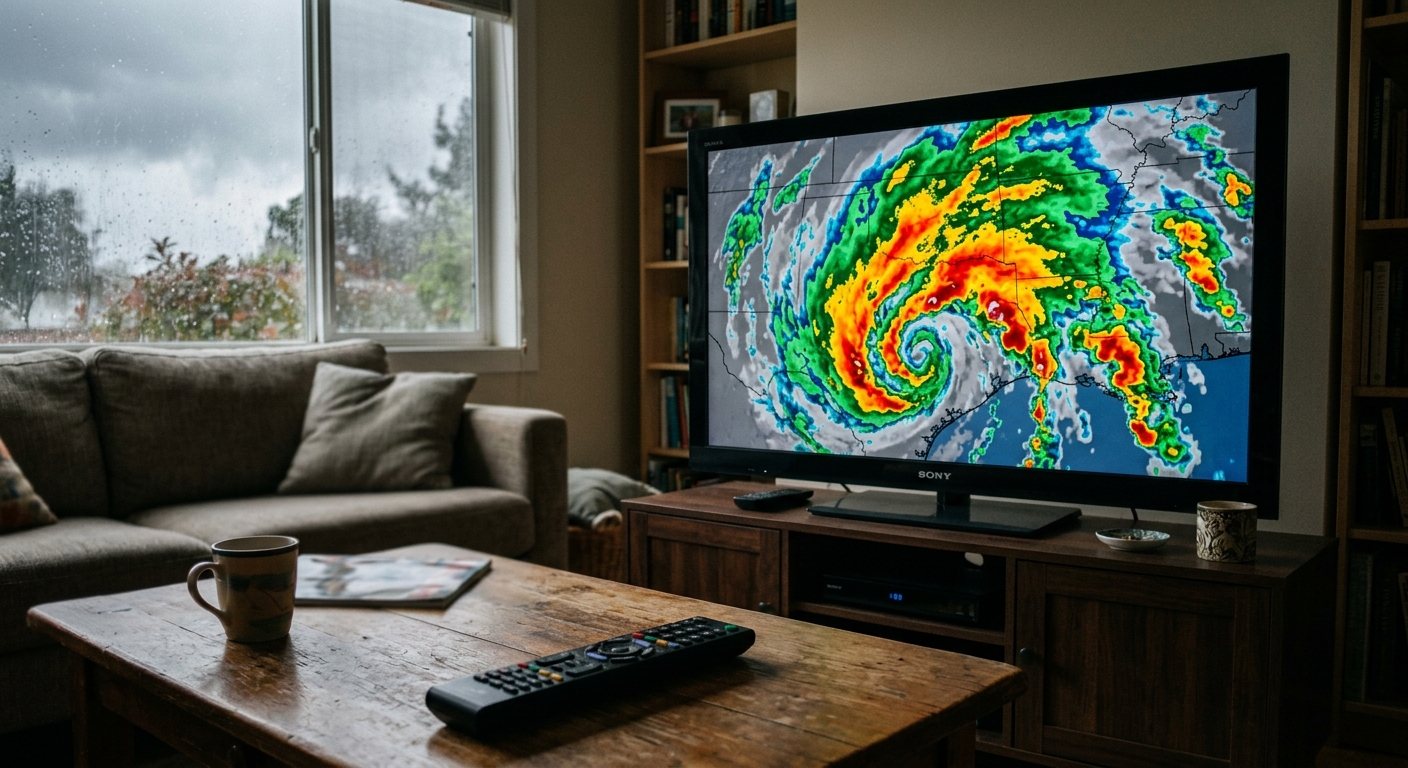
When hazardous conditions threaten communities across Indiana, television viewers often notice regular programming interrupted by severe weather updates. Leading broadcasters in the region, such as FOX59 and CBS4, are compelled to preempt scheduled content due to stringent FCC regulations that prioritize public safety.
Preemption of TV Programming During Emergencies
TV programming preemption is not simply a station policy; it is a mandated response for weather emergencies such as tornadoes, floods, and hurricanes. These measures ensure that all viewers, regardless of the time or broadcast schedule, have access to immediate and accurate information. Emergency interruptions can affect all types of broadcasts—including high-demand entertainment and live sports—to maximize reach during critical situations.
FCC Regulations and Their Impact
The Federal Communications Commission (FCC) plays a pivotal role in establishing the protocols that govern emergency broadcasting. FCC regulations require stations to prioritize severe weather updates in order to protect life and property. Notably, these requirements are designed to serve the entire population, including those who are deaf, hard of hearing, blind, or visually impaired—a key aspect of emergency information accessibility. Stations must provide emergency content using closed captioning and on-screen crawls, ensuring universal access to vital messages.
The Emergency Alert System in Action
The Emergency Alert System (EAS) is central to how Indiana broadcasters deliver emergency notifications. While overall participation in EAS is voluntary, all licensed stations must maintain the technical capability to relay alerts issued by the President during national emergencies. The FCC, meanwhile, does not originate such alerts; instead, federal agencies like the National Weather Service and FEMA, along with local law enforcement, are responsible for issuing FEMA alerts and similar bulletins. Television stations act as a crucial relay, bringing life-saving information such as evacuation directions or weather event instructions to the public promptly.
Provision of Accessible and Timely Information
Indiana broadcasters work in compliance with FCC standards that emphasize public safety alerts. During emergencies, stations are obligated to share essential guidance: evacuation orders, shelter locations, road closure updates, and relief instructions. This responsibility extends to making content universally accessible, underscored by regulations for closed captioning and text-based bulletins. The objective is to remove any barriers to understanding, particularly for viewers dependent on accessible communication methods.
Role of State and National Agencies
The coordination between television stations and governmental agencies ensures that no critical alert goes unnoticed. FEMA, the National Weather Service, and state agencies feed breaking information to Indiana broadcasters, empowering communities to respond effectively to emergencies. Through this partnership, the emergency alert system upholds its mission to keep the public informed and safe, supporting efforts to mitigate risks during both local and national emergencies.
Community Commitment to Public Safety
Frequent severe weather in Indiana highlights the importance of diligent emergency broadcasting. While preemptions may temporarily disrupt regularly scheduled shows, the ultimate goal remains unambiguous: to place public safety above all else. By adhering to fcc regulations and collaborating with local and federal authorities, Indiana’s media outlets reinforce a community-first ethos and help ensure that essential alerts reach every household. In times of crisis, these actions remind viewers across the region of the vital role broadcasters play in community resilience and safety.