
- calendar_today August 14, 2025
Indiana’s real estate landscape in 2025 is defined by stability, affordability, and strong regional growth. While national interest rates have begun to level off, Indiana continues to attract investors seeking lower entry costs and consistent cash flow. With a business-friendly climate and rising demand in both urban and suburban areas, developers are focusing on income resilience and demographic alignment.
So where are the most promising opportunities in Indiana? Across the Hoosier State, seven real estate sectors are showing strong performance—adapting to shifting market dynamics while offering long-term potential.
Multifamily Housing: The Reliable Performer
Multifamily housing is a steady performer throughout Indiana. In 2025, demand for Class B and C apartments remains strong in cities like Indianapolis, Fort Wayne, and Evansville. As mortgage rates and home prices stay elevated, many residents are delaying homeownership—driving longer rental cycles and low vacancy rates.
Mid-rise apartments and build-to-rent developments in areas like Carmel, Fishers, and Greenwood are especially attractive. With modest capital improvements and solid property management, investors are achieving 3%–4% annual rent growth even in stabilized neighborhoods. In a state known for its affordability, these assets offer consistent cash flow without the volatility seen in larger coastal markets.
Industrial Properties: Still a Growth Engine
Indiana continues to serve as a critical logistics and distribution hub in the Midwest. The I-70 and I-65 corridors, along with proximity to Chicago, have made areas like Plainfield, Greenwood, and Jeffersonville hotspots for warehouse and industrial development.
JLL’s 2025 Midwest report shows industrial vacancy rates under 4% in central Indiana, with rents up nearly 7% over the past year. E-commerce, auto manufacturing, and last-mile logistics are driving demand. Cold storage and flex industrial properties are also gaining investor attention, thanks to Indiana’s strong transportation infrastructure and growing interest in AI-enhanced supply chain operations.
Single-Family Rentals in Suburban Markets
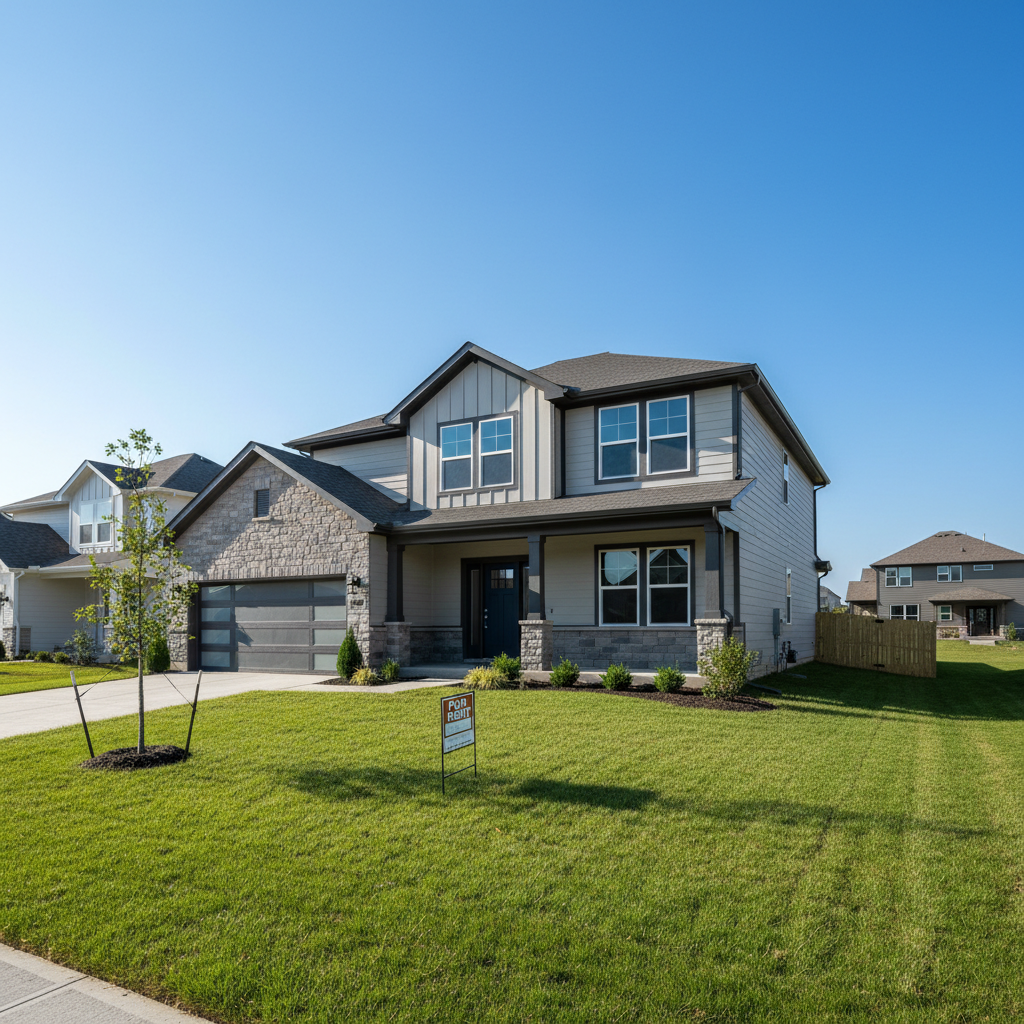
Indiana’s suburban housing markets are increasingly appealing to families looking for space, good schools, and affordability—all without committing to a mortgage. Single-family rentals (SFRs) are booming in suburbs around Indianapolis, such as Noblesville, Avon, and Brownsburg.
Roofstock’s 2025 Investor Sentiment Index indicates a rising number of investors are targeting Indiana’s SFR market. These homes tend to attract long-term tenants with low turnover, especially in areas where home prices have climbed faster than incomes. With population growth steady and school districts improving, SFRs are proving to be a reliable investment model.
Urban to Regional Shift: Mid-Sized Cities on the Rise
While Indianapolis remains Indiana’s economic anchor, mid-sized cities like South Bend, Lafayette, and Bloomington are drawing increased attention. These areas offer lower acquisition costs, growing student and tech populations, and strong rental demand. Infrastructure improvements and university expansion are helping fuel the revitalization of downtown cores.
Cities like Muncie and Terre Haute are also showing promise, especially where healthcare and education drive local economies. With state-level investment in broadband and industrial parks, developers are starting to build and convert properties to meet rising regional demand.
Mixed-Use Developments & Downtown Revival
Downtown revitalization efforts in Indiana’s cities are gaining momentum. In Indianapolis, mixed-use projects in neighborhoods like Fountain Square and Mass Ave are blending residential units with retail, coworking, and entertainment. Similar projects are emerging in Fort Wayne’s riverfront district and downtown South Bend.
Walkable, amenity-rich environments appeal to younger renters and remote professionals who value convenience and lifestyle. Despite regulatory and construction challenges, developers investing in these mixed-use hubs are seeing strong tenant interest and long-term appreciation potential.
Niche Assets on the Rise: Senior & Student Housing
Indiana’s aging population is creating fresh demand for senior living, particularly in suburban and exurban areas. Assisted living and memory care facilities in counties like Hamilton, Vanderburgh, and Tippecanoe are seeing increased occupancy and steady expansion. Facilities located near hospitals and retail centers are performing especially well.
Student housing is another bright spot, with strong performance near major universities like Indiana University, Purdue, and Notre Dame. In cities like Bloomington and West Lafayette, pre-leasing rates exceed 90%, and students are seeking modern amenities such as high-speed internet, furnished units, and social community spaces.
Risk Factors and Investment Cautions
While Indiana offers a relatively low-risk investment climate, there are still local challenges to watch. Property taxes can vary widely by county, and insurance costs may rise in flood-prone or aging areas. Some rural regions also face slower population growth, which may impact long-term returns.
Zoning and permitting are generally favorable statewide, but larger cities like Indianapolis are debating short-term rental regulations and housing affordability measures. Investors should also monitor the cost of capital—while rate hikes have slowed, financing remains more expensive than pre-2022 levels.
Expert Insight: What the Analysts Say
“Indiana’s fundamentals remain solid, particularly in logistics and workforce housing,” says Lauren Bellingham, senior economist at CBRE. “But market knowledge at the county level is crucial—returns vary widely based on location, tenant demand, and local growth patterns.”
Redfin’s 2025 Housing Trends report supports this view, pointing to affordability, job stability, and internal migration as the key forces shaping Indiana’s real estate market. The state’s steady economic base and pro-growth policies make it an appealing destination for diversified investment strategies.
Strategic Diversification is Key in 2025
Indiana investors are finding success by diversifying across high-performing sectors. Multifamily assets offer steady income, especially in affordable cities. Industrial properties near major highways are thriving under logistics pressure. Suburban SFRs appeal to families, while student and senior housing benefit from clear demographic trends.
Mixed-use developments in revitalized downtowns are drawing younger renters, and smaller cities are gaining ground as remote work and affordability drive internal migration. With the right regional insight and a balanced portfolio, Indiana real estate investors in 2025 are well-positioned to capture value across both established and emerging markets.