
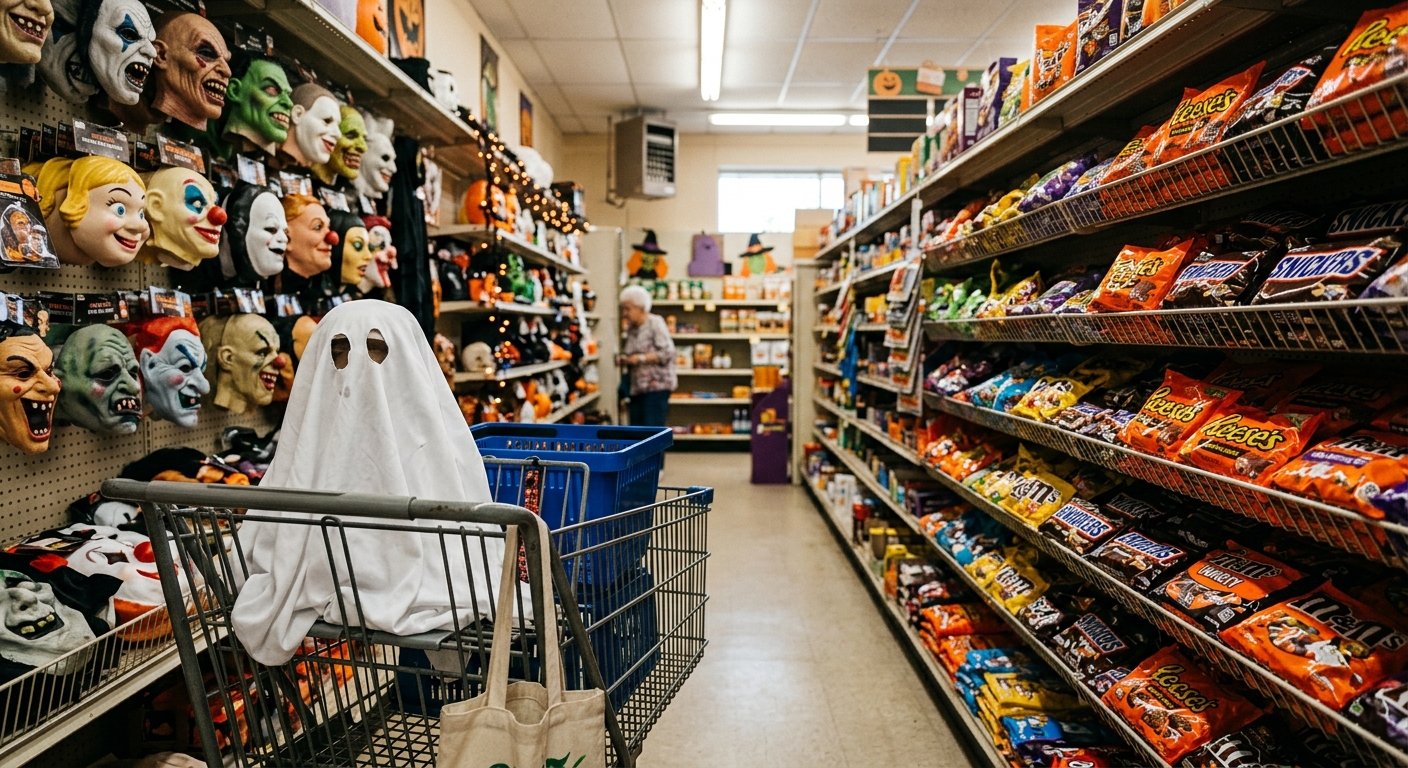
AI-generated illustration; not a photograph of the reported event.
- calendar_today October 13, 2026
Families Encounter Higher Halloween Costs
This Halloween season, families are experiencing increased prices on candy and costumes, making holiday preparations more expensive. According to the National Retail Federation, U.S. consumers are projected to spend $13.5 billion on Halloween in 2026, reflecting significant retail spending despite inflationary pressures.
Costume Prices Surge Due to Tariffs
Michele Boylstein, executive director of the Halloween and Costume Association, highlighted that costume prices have seen dramatic jumps. "A kid’s costume that cost $20 two years ago could now run for $60," Boylstein said. She attributes much of this increase to widespread tariffs, especially on items imported from China. These tariffs have led retailers to pay more for products, with the impact passed down to consumers in many cases.
Local Retailers Respond to Price Inflation
Despite rising wholesale costs, some local businesses are attempting to shield customers from higher prices. The owner of Lynn’s Halloween Town in Indianapolis reported paying about 30% more to stock shelves this year but is maintaining last year’s prices for shoppers. This effort reflects attempts by some stores to absorb price inflation and help families manage halloween costs.
Candy Prices Climb Amid Weather and Tariffs
The Bureau of Labor Statistics noted that candy and gum prices have risen by more than 8% over the past year. Experts say that, beyond tariffs and general inflation, extreme weather events have cut cocoa production, pushing candy prices even higher. John Talbott, a senior marketing lecturer at Indiana University, pointed out that this supply issue has added another layer to the increases: “That’s the one area within candy where there has been an effect other than a tariff-related inflationary increase.”
Consumers Seek Budget-Friendly Shopping Strategies
Despite higher halloween prices, experts suggest there are ways to limit spending. Alternatives include shopping for less expensive sweet treats, crafting homemade costumes, or using technology to track sales and discounts. Talbott noted, “A number of people are using AI tools…that you could be very specific, like I am looking for a Spider-Man outfit in this size.” These approaches allow families to find budget halloween solutions without sacrificing holiday fun.
Changing Consumer Habits Amid Economic Pressures
With persistent economic challenges such as high home prices and elevated gas costs, the National Retail Federation has observed that holidays still encourage retail spending. According to Boylstein, consumers are adapting their shopping habits. While some remain devoted to buying costumes regardless of price, others scale back on decorations or candy to accommodate overall costs, demonstrating flexibility in consumer habits during the holiday season.
Source: fox59.com.