
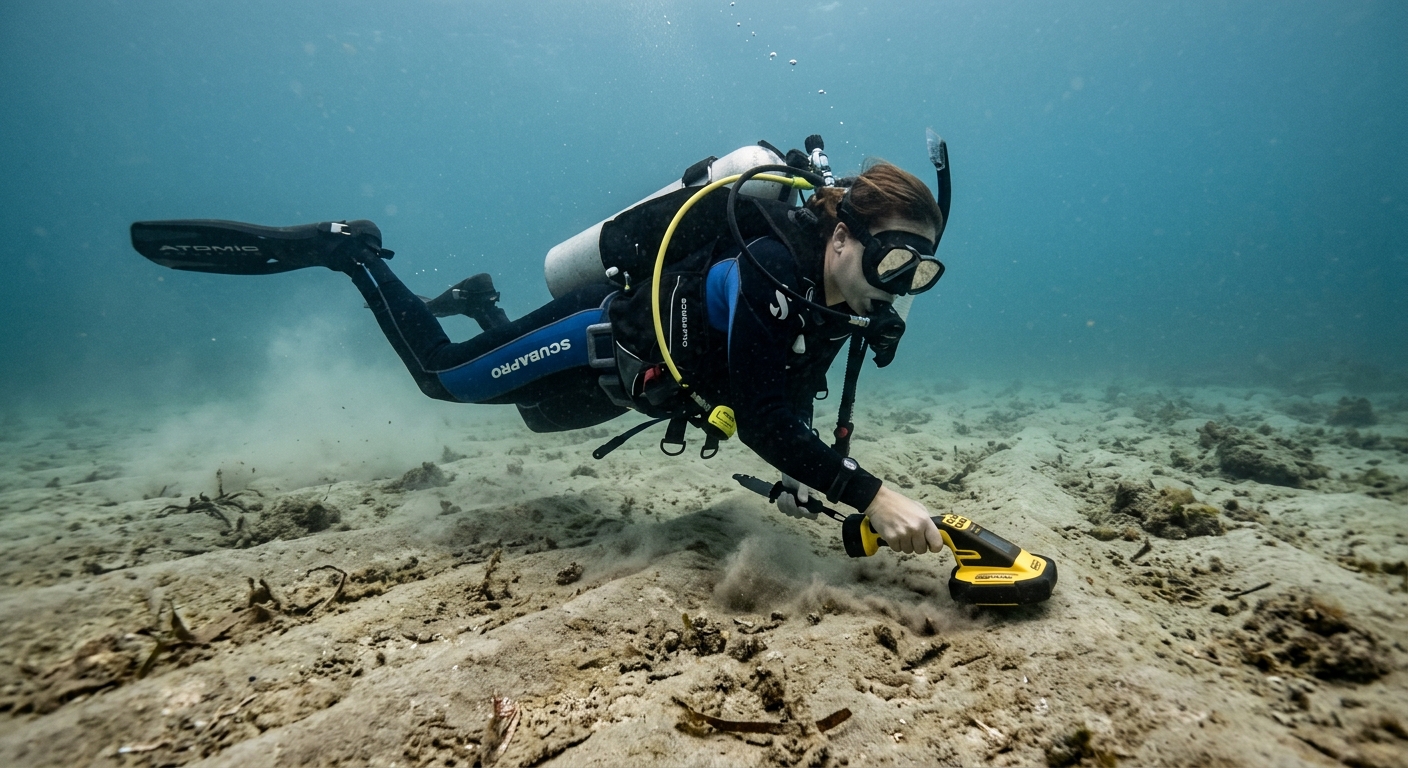
AI-generated illustration; not a photograph of the reported event.
- calendar_today October 14, 2026
Purdue University Team Begins New Search Phase
On Wednesday, researchers from Purdue University embarked on a long-anticipated underwater search near Nikumaroro Island, Kiribati, in the South Pacific. The team hopes to discover evidence relating to the fate of famed aviator Amelia Earhart, who vanished 89 years ago while attempting a historic flight around the world.
Underwater Operations Targeting the Taraia Object
Deploying from boats along the southern lagoon of Nikumaroro Island, the crew set up camp onshore and began diving operations in a coordinated effort dubbed the search for the "Taraia Object." This object, buried under silt, could be a strut from Earhart’s Lockheed Electra 10-E—her aircraft that disappeared in 1937. The expedition uses side scan sonar and advanced monitoring equipment to locate potential wreckage.
Collaboration with the Archeological Legacy Institute
Purdue’s expedition is led by General Counsel Steve Schultz and involves coordination with the Archeological Legacy Institute and the Purdue Research Foundation. According to Schultz, "We’re still very early in the phases of our work. The maritime guys are trolling with the side scan sonar. So hopefully we will narrow in on this search and see what’s there pretty soon." Other team members remained on shore to manage the sensitive electronics, protecting them from the island’s harsh elements and wildlife, including large coconut crabs.
Theories on Earhart Disappearance Informed by Evidence
The leading theory suggests that Earhart and her navigator, Fred Noonan, landed on Nikumaroro Island on July 2, 1937, after missing their intended stop at Howland Island some 400 miles away due to a fuel shortage. Radio transmissions imply they survived at least five days on the island, signaling for help that never arrived. Past searches during the 1940s yielded a few artifacts, including a leather shoe, a prescription bottle, a cosmetics case, freckle cream, and skeletal remains matching Earhart’s description.
Short Timeframe for Current Investigation
The Purdue research group has only a few days remaining at Nikumaroro to carry out operations. Should they find any parts of the Amelia Earhart plane, they plan to develop a strategy for recovering any evidence in a future return expedition. The latest updates on the earhart expedition and underwater search are available on Purdue University’s official channels.
Looking Ahead
This mission could provide crucial insights into the earhart disappearance and has the potential to answer long-standing questions about one of aviation history’s greatest mysteries. For more information about the ongoing efforts and to keep track of findings, visit the official project page for the earhart expedition.
Source: fox59.com.