- calendar_today August 10, 2025
OpenAI has released “Images in ChatGPT” as a new revolutionary feature that enables users to generate images directly inside the ChatGPT platform. The GPT-4o model launch enables users to produce images during chat conversations and represents a major development in AI-enhanced content creation.
“Images in ChatGPT” provides advanced image generation features for every subscription level, including Plus, Pro, Team, and free users. OpenAI spokesperson Taya Christianson stated that free tier users will maintain comparable usage restrictions to DALL-E 3 with an allowance of about three images daily, but these restrictions could change according to demand. OpenAI assures DALL-E users they will keep using the service through a specialized GPT version.
OpenAI’s research lead Gabriel Goh presented GPT-4o as an “omnimodal” base which can process multiple data formats, including text documents, visual content, as well as audio and video files. The upgraded “binding” capability of the model represents a major advancement in solving typical AI image generation difficulties. GPT-4o handles 15 to 20 objects accurately by maintaining clear distinctions between colors and shapes, unlike earlier models.
The system demonstrates a significant advancement through its enhanced performance in text rendering. AI-generated images have historically shown issues with producing text that appears scrambled or meaningless. The development process required extensive iterative refinement over several months to achieve the desired results, as explained by Goh. The team admits that perfect text rendering is not yet possible, particularly for small text elements, but they have succeeded in creating text within images that works consistently.
The system uses an autoregressive approach, which sets it apart from the typical diffusion models seen in most image generators. Using a left-to-right, top-to-bottom generation method similar to text creation helps enhance text rendering and binding abilities.
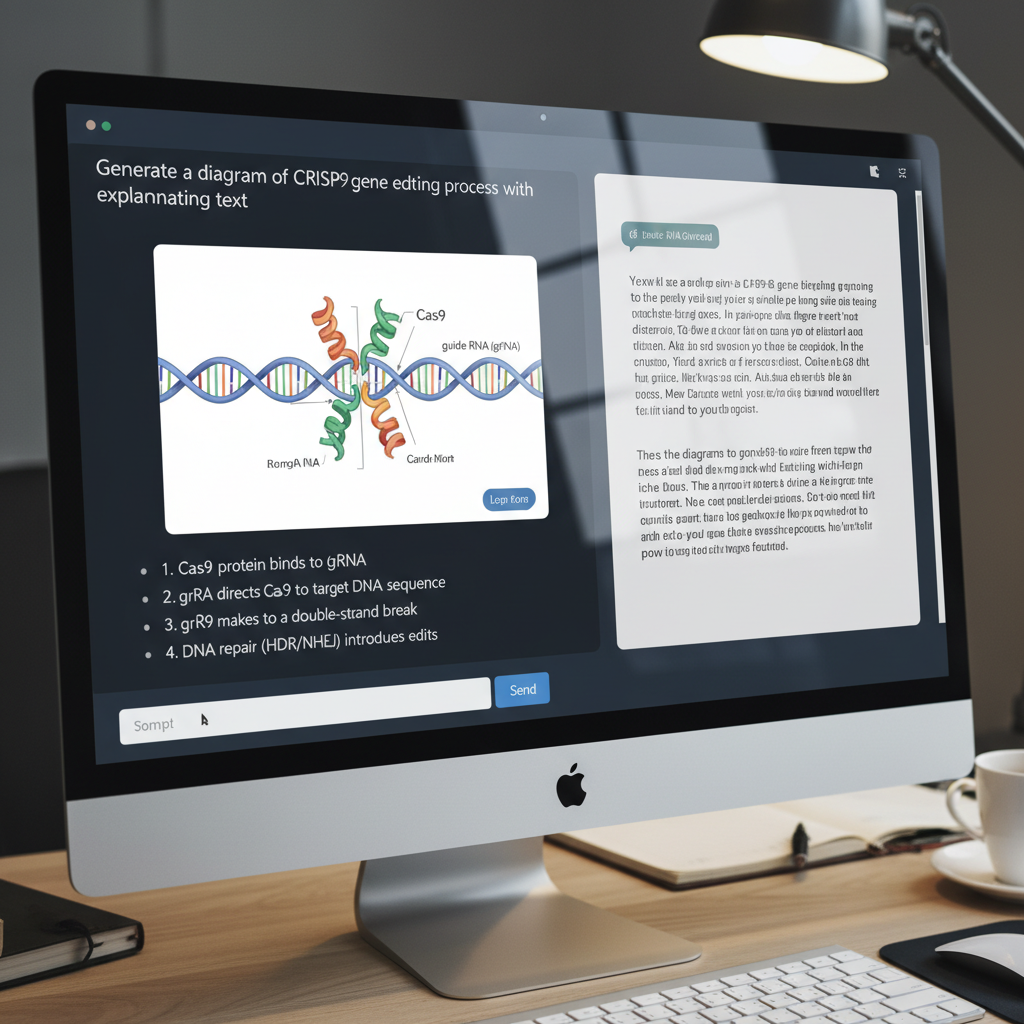
The demonstration at OpenAI’s briefing highlighted the system’s capabilities to create scientific diagrams with precise labels like Newton’s prism experiment, multi-panel comics with consistent characters and dialogue, and informational posters containing accurate text. Demonstrations included practical applications such as creating transparent background images for stickers and restaurant menus, and logos.
The multimodal product lead at ChatGPT, Jackie Shannon, underlined how the system makes use of extensive world knowledge. When she draws an image, she acknowledges her skill limitations yet uses her accumulated world knowledge. This model integrates world knowledge into its processes, which means you can directly request an image of Newton’s prism experiment without needing to provide any background information.
OpenAI acknowledges that image generation now requires more time but emphasizes that the improved quality and expanded capabilities make this wait worthwhile. According to Shannon, the image quality combined with enhanced capabilities and world knowledge compensates for the extra time users will wait.
Safeguards and User Ownership: Ensuring Responsible AI Image Generation
OpenAI has emphasized its deployment of strong protective measures to address potential misuse issues. The system blocks requests for CSAM and prevents both watermark removal and the creation of sexual deepfakes. All generated images will contain standard C2PA metadata to identify them as OpenAI creations, even though visual watermarks do not exist. The company operates internal tools to verify images.
Shannon acknowledged that while no system can be flawless for these challenges, they are making ongoing improvements to their protective measures, which they consider foundational. All images produced by ChatGPT belong to the user who created them and can be used according to our usage policies.
OpenAI’s “Images in ChatGPT” feature expands the capabilities of their leading product through innovative AI-driven creative tools that enable powerful visual expression inside their chat interface. OpenAI demonstrates its dedication to user experience enhancement through this new feature while also addressing the potential risks tied to advanced AI image generation technology. The commitment to better binding and text rendering, along with safety measures, reflects an intent to build both a powerful and responsible tool.