
- calendar_today June 19, 2026
The Enduring Legacy of Naptown in Indiana
In Indiana, the term naptown carries rich historical significance, serving as more than just an Indianapolis nickname. Deeply connected to the city’s African American and jazz history, naptown has become a symbol of local pride, celebrating the vibrant cultural legacy shaped along the iconic Indiana Avenue. Far from implying a sleepy city, the moniker was born from the Black community’s creativity and influence, making the city’s name approachable while reflecting a cool, dynamic spirit.
Jazz History and the Rise of Indiana Avenue
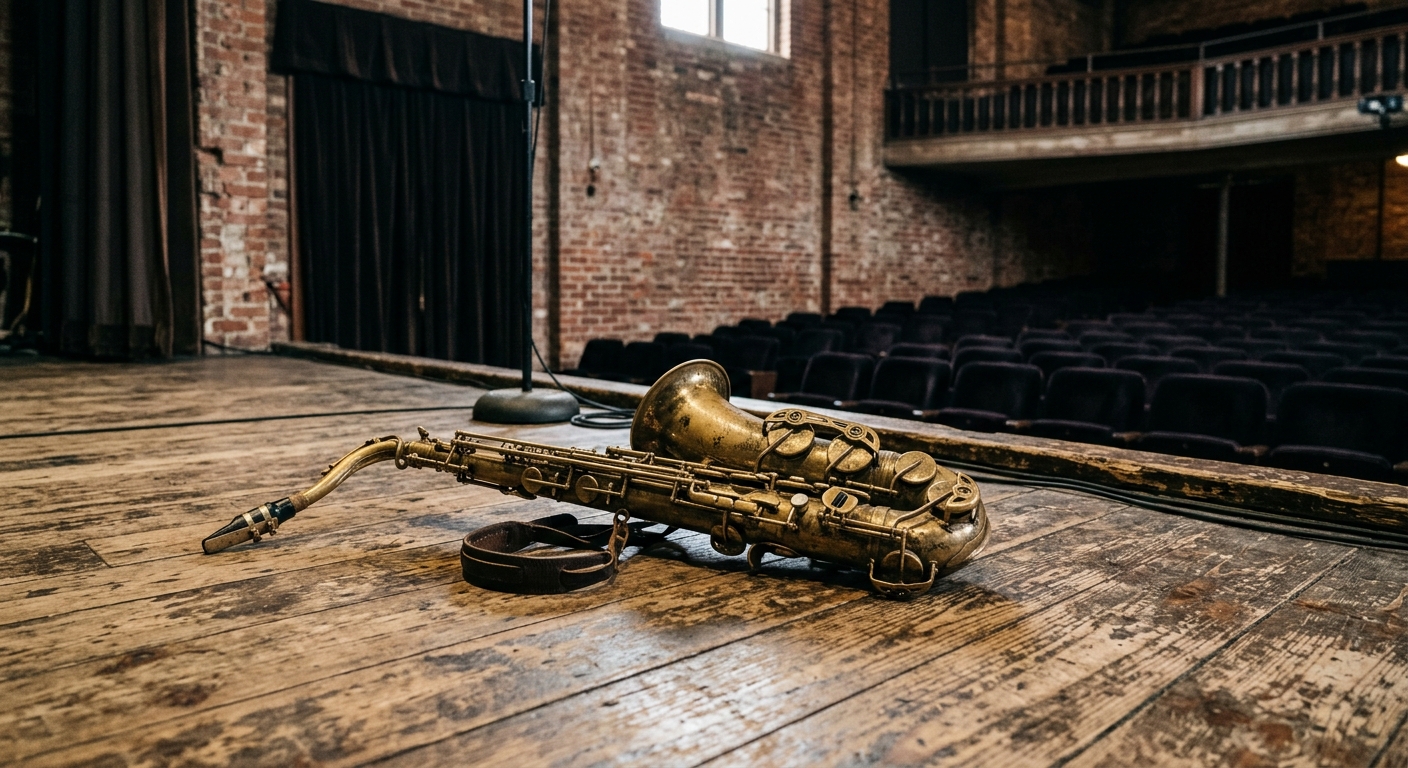
The roots of naptown can be traced to the nightclubs and music halls lining Indiana Avenue, where jazz legends gathered and performed. Indiana Avenue became a cultural artery for Indianapolis, drawing musicians from across the Midwest eager to share in its energetic scene. The sounds of jazz became synonymous with the city’s nightlife, attracting both local and national attention.
The Walker Theater: Pillar of Black Culture
At the heart of this movement stood landmarks like the Walker Theater, founded in 1927 by the pioneering entrepreneur Madame CJ Walker. The theater quickly established itself as a cornerstone of social life and culture for the Black community. Today, the Walker Theater continues its legacy, hosting jazz concerts and events, especially during milestone celebrations such as Juneteenth, reminding Indiana residents of their living heritage.
Sampson Levingston and the Walk & Talk Movement
Local historian and tour guide Sampson Levingston, known as The Walk & Talk Guy, passionately preserves these stories. Levingston actively educates residents and visitors about the true meaning behind naptown, emphasizing its place of honor within Black and jazz history. His tours along Indiana Avenue illuminate how musicians popularized the city’s enduring nickname, transforming it into a badge of cultural resilience and creativity.
Contemporary Debates: Speed City vs. Naptown
Recently, the Indy Chamber attempted to rebrand Indianapolis as Speed City in an effort to promote the city’s fast-paced, modern image. However, many—including Levingston—argue that “Speed City” falls short of capturing the authentic spirit that naptown represents. While Indy’s entrepreneurial energy and sporting accomplishments are undeniable, local leaders maintain that the original nickname carries deeper historical and cultural connections, resonating more effectively with those who know the city best.
Celebrating the Black Community’s Influence
The Black community’s role in shaping Indianapolis’s identity remains at the center of the naptown narrative. This legacy continues to inspire new generations, from musicians to historians, who work to ensure that the vital contributions of Black artists and business owners are fully recognized. Efforts to honor the past—through events, performances, and educational programs—make certain that the jazz history woven into the city’s identity is never forgotten.
The Future of Naptown’s Heritage
As Indiana moves forward, efforts to preserve cultural touchstones like the Walker Theater and Indiana Avenue remain crucial. Acknowledging both the historical struggles and the enduring triumphs of the Black community ensures a more honest and inclusive account of Indianapolis. The ongoing debate over the city’s nickname highlights the lasting impact of words, history, and authentic identity in shaping regional pride.
Conclusion: A Name Reflecting True Identity
For Indiana and its capital, the story of naptown is not simply about a name—it’s a living testament to resilience, artistic brilliance, and the unbreakable bond between a city and its people. As the city continues to evolve, the resonance of naptown will persist, carrying forward the music, memories, and contributions of generations past and present.