- calendar_today August 9, 2025
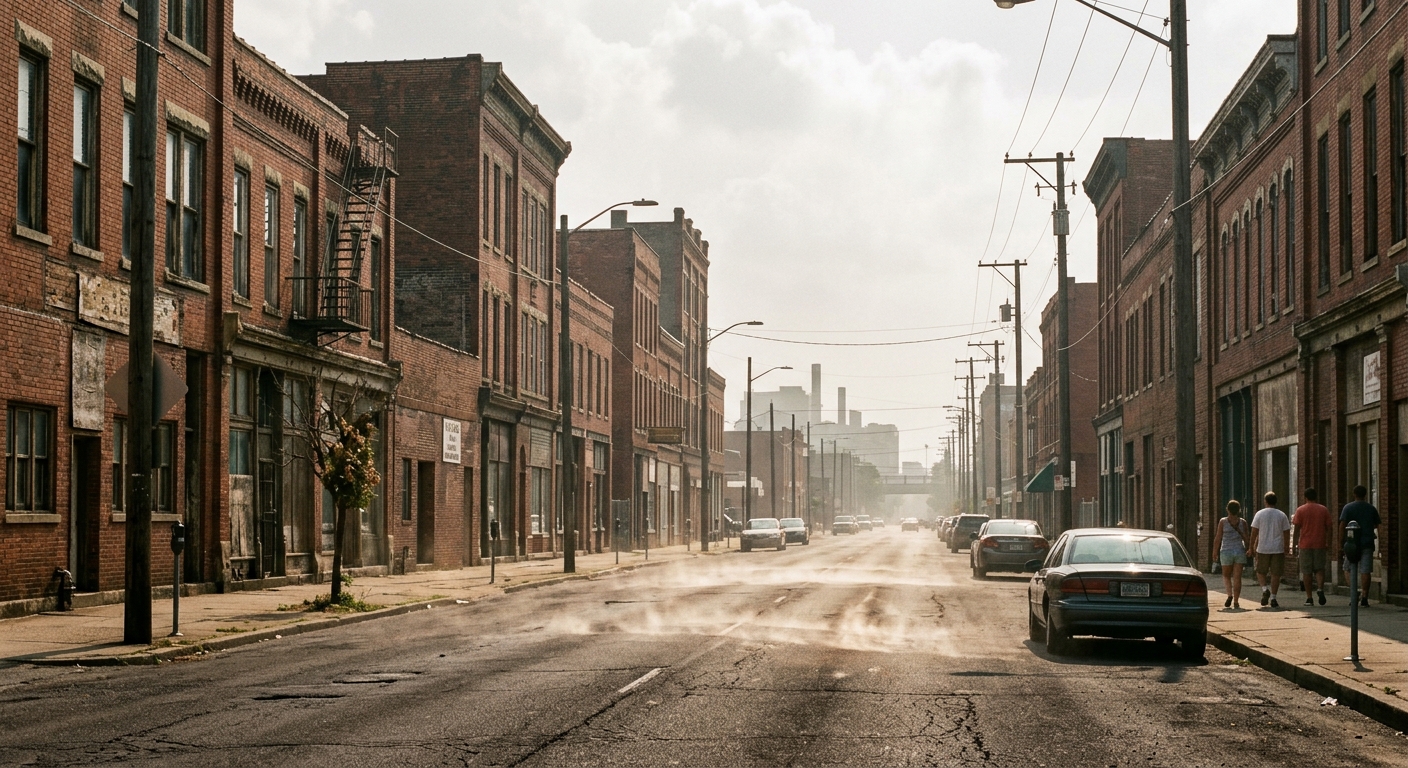
After three years of instability, Indiana’s commercial real estate (CRE) market is showing clear signs of recovery in 2025. From the industrial corridors of Indianapolis to revitalized downtown districts in Fort Wayne and Evansville, developers and investors are rethinking their approach to space, logistics, and tenant demands.
The state’s central location, affordable land, and strong transportation networks have long made Indiana an attractive place for warehousing and manufacturing. Now, those advantages are proving essential as companies adjust to post-pandemic supply chain realities and rising operating costs nationwide.
Industrial Real Estate Leads the Way
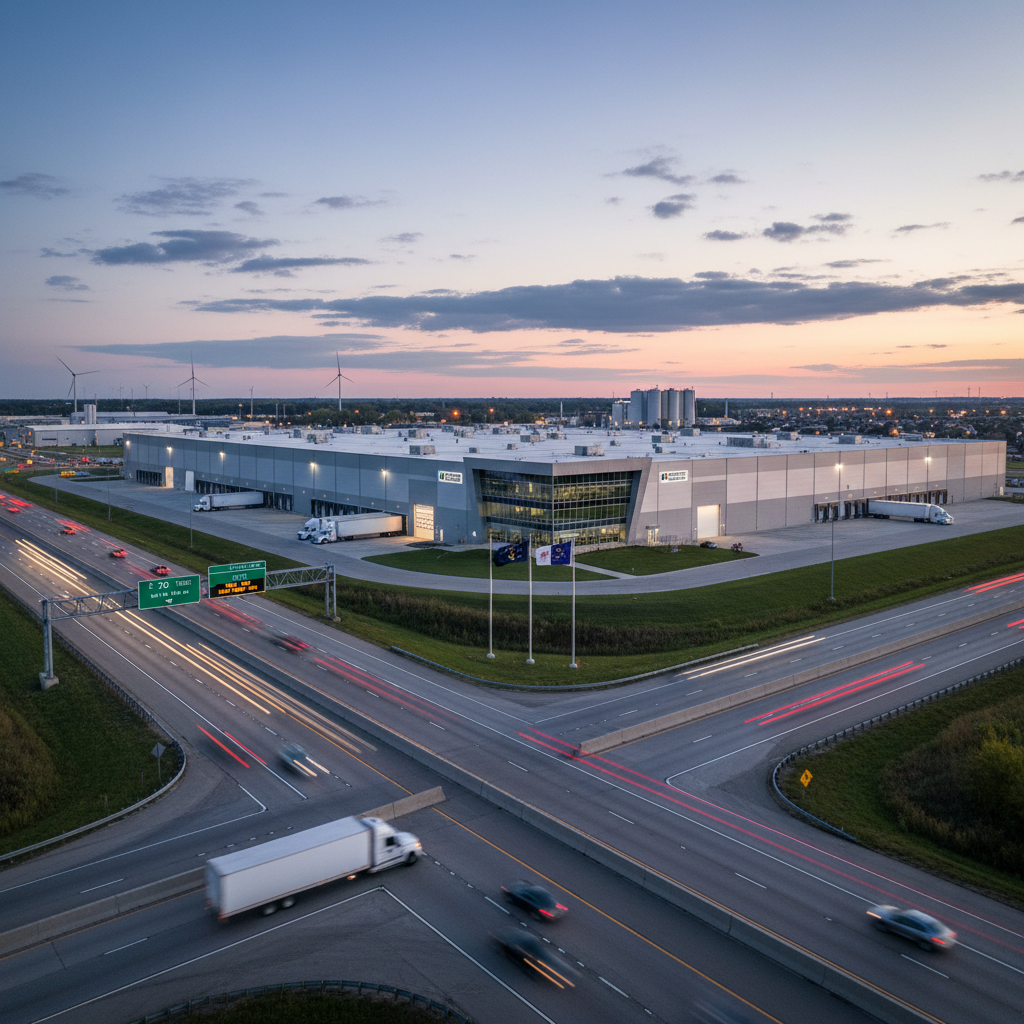
In 2025, Indiana’s industrial sector continues to be the crown jewel of the state’s commercial portfolio. Warehouse and distribution center development has been robust across the I-70 and I-65 corridors, with demand being driven by logistics companies, auto manufacturers, and a resurgence of domestic production.
“We’re seeing significant interest from companies reshoring operations from overseas,” said Jennifer Markum, a regional director with Colliers in Indianapolis. “Indiana’s cost advantages and highway access are making it a hotbed for medium-sized logistics hubs.”
According to data from CBRE, over 7.8 million square feet of industrial space was absorbed across the Indianapolis metro in the first half of 2025, with vacancy rates staying below 4.2%. Build-to-suit projects are back on the table, and speculative development—cautiously paused in late 2023—is returning in targeted submarkets like Greenwood and Plainfield.
Office Market Adapts to Hybrid Work
While the office sector in Indiana has not yet returned to pre-pandemic levels, it is finding equilibrium in 2025. The demand for traditional office towers remains subdued, but flexible, smaller-footprint spaces are becoming more attractive to midsize firms and startups.
Indianapolis, in particular, is experimenting with mixed-use buildings that combine coworking, residential, and retail spaces. Vacancy rates in older Class B and C office buildings remain high—hovering around 22%—but newly renovated Class A office projects with built-in technology and wellness features are seeing more traction.
“What employers want now is flexibility and amenities that help attract talent,” explained Ron Carter, an office leasing manager in downtown Indy. “We’re seeing more interest in suburban office parks near Carmel and Fishers, where employees don’t have to drive downtown and can still access walkable environments.”
Retail Rebounds with Experience at the Core
Indiana’s retail real estate market in 2025 is rebounding, but with a redefined purpose. Gone are the days of oversized mall expansions. Instead, the focus is on experience-driven retail, food halls, and mixed-use development.
Malls in places like Merrillville and Terre Haute are converting former anchor store space into community centers, medical clinics, and satellite campuses for local colleges. Meanwhile, downtown revitalization projects in cities such as Bloomington and Lafayette are adding small-batch breweries, boutique retail, and adaptive reuse venues to meet changing consumer tastes.
“Retailers who survived the downturn did so by evolving quickly,” said Lisa Denton, a real estate analyst based in South Bend. “The focus now is on experiences—think art cafes, outdoor fitness centers, local food—and not just traditional shopping.”
Multi-Family Still Going Strong
One of the more resilient sectors in Indiana’s CRE landscape remains multi-family housing. Demand for affordable rentals and workforce housing is surging, especially in university towns and urban cores.
Developers in cities like Muncie, West Lafayette, and Bloomington are building smaller, tech-enabled apartment communities with shared amenities. According to Yardi Matrix, Indiana’s multi-family occupancy rate sits around 94.5% in 2025, with rent growth stabilizing at 3.2% year-over-year.
Fort Wayne, in particular, is becoming a multi-family hotspot, as young professionals and remote workers look for mid-size cities with a lower cost of living. The Electric Works project, a $300 million redevelopment of a historic industrial campus, is now serving as a magnet for both tenants and creative industries.
Rural Commercial Recovery Slower but Steady
Outside the state’s major metros, rural areas are seeing a slower but steady rebound in commercial property use. Many towns are investing in broadband infrastructure and remote work hubs, converting underused libraries or community centers into coworking spaces and pop-up retail venues.
“There’s growing interest in second-tier towns with strong community ties,” noted Tim Bishop, director of the Indiana Office of Community and Rural Affairs. “State and federal grants are helping revitalize main streets and attract small businesses.”
In 2025, programs like READI (Regional Economic Acceleration and Development Initiative) are channeling millions into small-town business districts, aiming to increase foot traffic and bring life back to local commercial zones that were struggling pre-pandemic.
Investment Trends and Financing in 2025
Financing is still a challenge in 2025, as interest rates remain elevated compared to the 2010s. However, local and regional banks in Indiana are more willing to work with small developers on mixed-use and industrial projects, especially when paired with municipal support.
Cap rates are holding steady in most markets, with industrial properties trading in the 5.0%–5.8% range and retail at around 6.3%. Out-of-state investors are returning cautiously, particularly for portfolio purchases or value-add opportunities.
Private equity firms and REITs are still somewhat hesitant, but interest is growing in opportunity zones, especially near Gary, Anderson, and South Bend, where tax incentives continue to sweeten deals.
Looking Ahead: Balanced Optimism
Indiana’s commercial real estate market in 2025 is not without its challenges. Construction costs remain high, regulatory hurdles slow new development in certain municipalities, and workforce shortages persist in trades and logistics.
Yet, the overall tone is one of balanced optimism. Instead of booming speculation, there is a clear shift toward smart, long-term planning. Developers, municipalities, and community stakeholders appear more aligned in reshaping cities for the next generation of workers, consumers, and residents.
As Carter put it, “It’s not about bouncing back to what we had before—it’s about creating something more resilient, inclusive, and sustainable for Indiana’s future.”