
- calendar_today August 18, 2025
Atlanta Federal Reserve’s recent forecast that there will only be one cut in interest rate in 2025 has occasioned a shifting of expectations over the Indiana economy. The updated forecast means reduced relief than had been anticipated in a year of borrowing fees by businesses, residents, and policymakers. Since the state’s leading industries, such as manufacturing, agriculture, and logistics, are most exposed to the volatility of interest rates, Indiana is currently in the best position to weather the challenge and opportunity of this protracted high-rate period.
Business Investment and Manufacturing at the Center
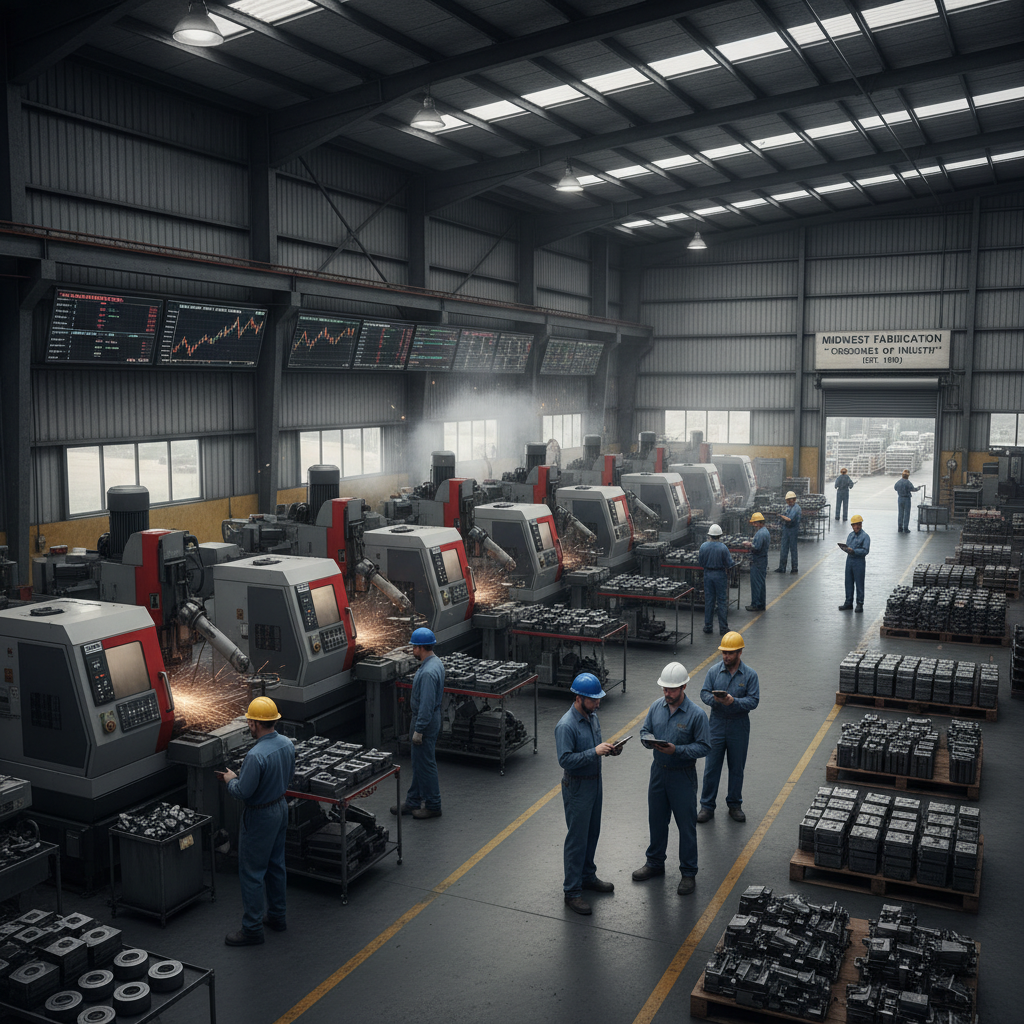
Indiana’s manufacturing sector, the pillar of the state’s economy, will be impacted most negatively by the Federal Reserve’s reserve policy. Increased borrowing costs may dampen manufacturers’ ability to increase, invest in new automation devices, or hire additional employees. Borrowing to fund such growth strategies may no longer be affordable for the majority of companies with high interest rates. This can lead to decreased investment in the industry.
But there is hope. Demand for hard goods, particularly in industries like automotive and advanced manufacturing, remains strong. Indiana’s commitment to advanced manufacturing technology can act as a buffer, allowing state firms to remain competitive even in the current difficult economic situation. Moreover, the state’s diversified manufacturing base may help some firms weather the storm more effectively than others, particularly those with strong regional or national demand for their outputs.
Real Estate and Housing Market Problems
Indiana’s housing sector, particularly in Bloomington, Fort Wayne, and Indianapolis, will still struggle with even worse problems as the mortgage cost will still be on the higher side.
High-interest costs are likely to prompt prospective housebuyers to delay their purchases, a situation that could guarantee demand for rental apartments will remain high. With people turning to rentals, the renters will be in a position to increase rentals in the aftermath of rising demand. This will contribute to the cost of being affordable, especially among first-time buyers and the youth already facing challenges accessing the market. On the other hand, property developers will also avoid embarking on new ventures.
With higher funding costs, the profit margin is reduced, and most developers struggle to start or reduce their new homes construction projects. This slow construction rate would lead to a shortage of available homes in the market, further driving up costs of buying and renting homes. The effect would be even worse in urban areas like Indianapolis, which still grapples with population expansion putting pressure on the available housing stock.
Effect on Agriculture and Rural Communities
Indiana’s anchor industry, agriculture, is also vulnerable to rate volatility. Farmers and agribusinesses borrow to fund operations, from purchasing equipment and property to paying for seasonal needs. So long as borrowing is costly, farmers’ ability to expand or maintain operations will be undermined, especially smaller farms with slimmer margins.
The cost of financing can also strain the state’s farm supply chains.If businesses pay more, they can transfer it to consumers, and therefore food prices may increase. In rural regions, which are agrarian-based, this might lower local economic activity and affect the level of employment. Therefore, farmers will turn to alternative sources of capital, for instance, searching for private equity companies or government-sponsored loans to help mitigate the impact of rising interest rates. Consumer Spending and Inflation Pressures
Consumer Spending and Inflation Pressures
Inflation remains an issue for Hoosiers, particularly in rural areas and smaller cities. Although inflation did moderate from recent 2022 highs, prices for groceries, medical services, and energy remain elevated. When added to rising borrowing costs, the pinch on family budgets may limit discretionary spending.
Merchants and service businesses will find it increasingly hard to retain consumer spending. As a result, most companies will need to refresh their pricing and promotion methods to remain in step with risk-averse shoppers. For instance, companies will emphasize less expensive products or sales to stimulate spending by customers. However, because so many Hoosiers are feeling the pinch of increased costs, discretionary consumer expenditure will probably remain subdued for a very long time to come.
What’s Ahead for Indiana?
Since the Federal Reserve’s prediction sets the stage for a long-term period of high interest rates, Indiana must prepare itself for an economic re-engineering year. Businesses will have to be shrewd at conducting business in this environment, taking care to be efficient, watchful of costs, and healthy financially. Small businesses will have to turn to alternative sources of funding, such as grants or schemes sponsored by the state, to offset the impact of expensive borrowing.
Indiana legislators will need to balance relief programs that are specifically targeted or incentive programs, which are intended to enable consumers and business firms to ride out the present economic hardships. The state will also need to invest in infrastructure and worker training to maintain its economy strong and competitive despite the high interest rates.