
- calendar_today August 10, 2025
Indiana Financial Community Reacts to Market Volatility Following Trump Tariff Policy U-Turn
Indiana investors closely observed Wall Street after Dow Jones futures recorded an astounding spike—rising more than 600 points—following a hint of possible “flexibility” from President Donald Trump regarding future U.S. tariff policies. Such unexpected shift in trade rhetoric swept a tide of optimism across several Indiana sectors, particularly within interest groups for manufacturing, agriculture, and financial services.
As an export-dependent and trade-dependent state, Indiana’s economic well-being is directly tied to the federal trade policy. The new signs of a departure from broad-brush tariffs to a more discerning strategy by the Trump administration suggest tempering domestic economic disruption while still addressing long-standing trade imbalances.
Good Omens for Indiana’s Manufacturing Base
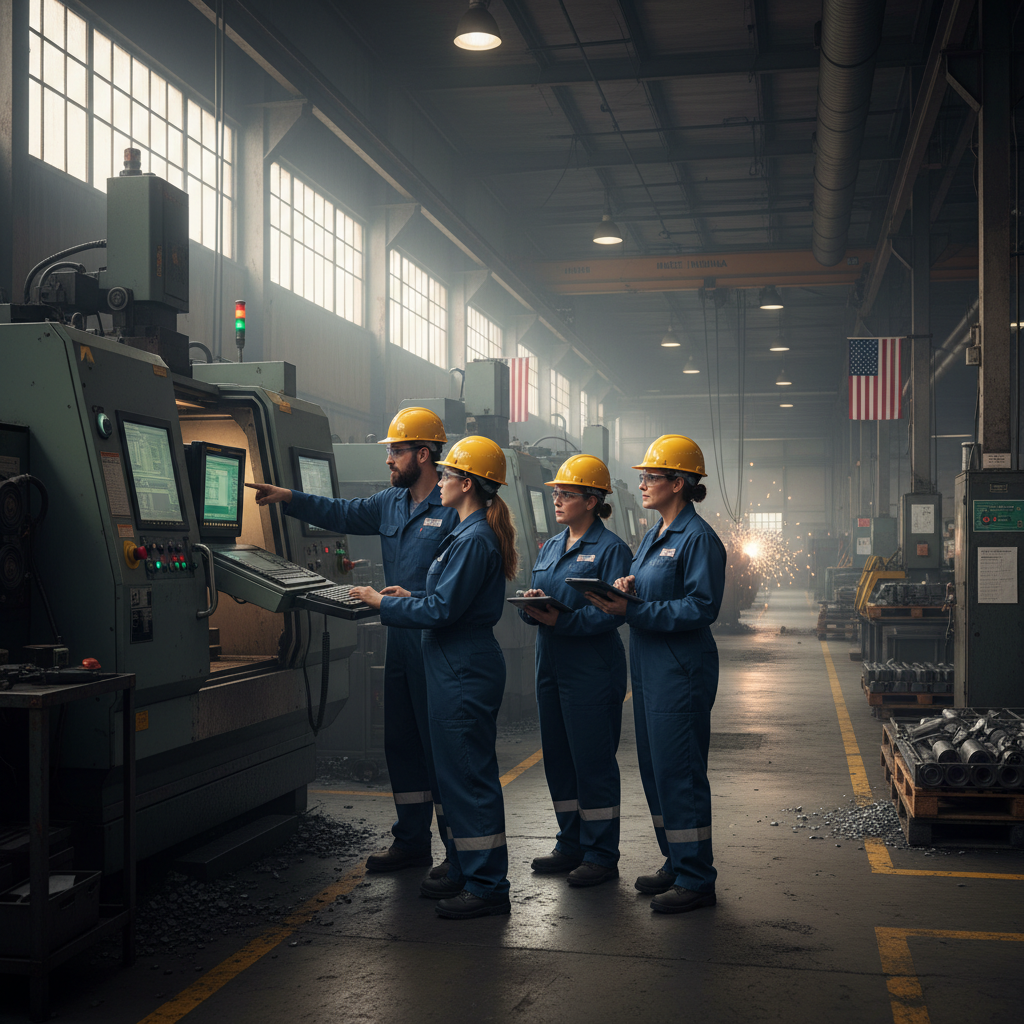
Indiana’s manufacturing sector—one of the nation’s strongest—is situated at the epicenter of this economic ripple effect. With so much of its output tied to exports, especially in automotive components, medical devices, and heavy equipment, the state stands to gain significantly from any relaxation of international trade tensions.
Manufacturing accounts for about 30% of Indiana’s gross state product, so it is a pillar of the economy. Industry leaders like Cummins Inc., Allison Transmission, and Rolls-Royce North America have reacted with guarded optimism to the new policy tone.
“Tariff relief would mean more stable input prices and less supply chain disruption,” said Sarah Jennings, a logistics director at a big Indiana-based auto supplier. “It also lets us better plan for hiring, production, and distribution.”
Also, lower tariffs could render Indiana-made products more competitive globally, driving job growth and cementing the state’s economic upswing.
Agriculture and Trade Hopes Rise
Other than industrial manufacturing, the state’s huge agricultural sector is also a big contributor to the tariff war. Ranked as one of the nation’s top producers of corn, soybeans, hogs, and poultry, Indiana farmers have been hardest hit by recent global trade wars—most prominently the trade war with China.
Soybean prices in particular had dropped to new lows under retaliatory tariffs from key trading partners, devastating rural economies and family farms. With the promise of tariff flexibility, there is growing hope that foreign markets will re-open and equalize.
“Farmers have been waiting long enough,” joined Rachel Dawson, a fifth-generation Lafayette farmer. “If these changes in the tariffs do come through, it would be profit and loss for a lot of us this season.”
In addition, better trade relations could stop the cycle of overproduction and low commodity prices that have haunted Indiana’s farming communities in recent years.
Investors React to Market Fluctuations
Indiana’s finance sector has also felt direct ramifications from the boom in the market. Brokerages and investment advisors across the state are seeing more activity, especially in industrial, energy, and tech portfolios.
“Right after the announcement, we saw a sudden surge in investor interest,” said David Kim, a senior financial advisor at a Fort Wayne investment firm. “Many clients are rebalancing their portfolios to ride potential growth in export-oriented and manufacturing-oriented stocks.”.
This shift in investor sentiment is part of a broader national pattern of careful optimism. Tariff flexibility could also signal a more pragmatic approach to trade, reducing the fear of retaliatory measures and making space for business to grow.
For institutional investors in Indiana—e.g., pension funds, university endowments, and credit unions—the recovery of the Dow could fortify confidence in home equities, spurring fresh capital inflows and long-term planning.
Technology and Innovation Fields Speed Up
While overshadowed sometimes by the state’s industrial behemoths, Indiana’s expanding technology industry might benefit as well. Technology companies that rely on imported hardware or overseas distribution no longer have to endure so much uncertainty, enabling more reliable forecasting and planned expansion.
Startups and small- to mid-sized companies in Indianapolis’s growing tech corridor are already starting to experiment with new models of expansion grounded in a improved global trade environment. Further, venture capital activity—often a lagging indicator of market mood—already has started showing first signs of revival in the region.
Outlook for Indiana’s Economy
In the future, the general economic prospects for Indiana are contingent on the enforcement of such tariff revisions. A consistent, clear policy of trade will be necessary to instill confidence in business officials, investors, and entrepreneurs.
Economists do warn that the scenario remains fluid, though. The details of the “flexible” tariff policy have not yet all been made public, and market enthusiasm will quickly dissipate if there exists uncertainty.
“While the headlines are promising, businesses must remain agile,” warned Mark Reynolds, a highly regarded Indianapolis economist. “The challenge will be to translate this initial optimism into policy that reduces costs and stimulates demand.”
Strategic Repositioning by Indiana Firms
In response to shifting the trade landscape, many Indiana-based companies are not waiting for the final verdict. Instead, they are making proactive moves, including:
Re-iterate Global Supply Chains: Firms are diversifying their supply bases to minimize dependence on a single nation, particularly Asia.
Supporting Trade Advocacy: Regional business organizations are speaking up in Washington, D.C., to advance Indiana’s agenda in trade talks.
Sustaining Domestic Investments: Manufacturers and farmers are incorporating automation and R&D investments to boost productivity and save costs regardless of tariff outcomes.
The most recent Dow Jones futures rally, fueled by President Trump’s tariff concession suggestion, has brought fresh vigor to Indiana’s investment and economic climates. Although the long-term policy effect awaits its judgment, early signs look encouraging relief to such major industries as manufacturing and agriculture.
Indiana’s policymakers, business leaders, and investors watch closely now—all set to move in on potential opportunities while retaining a keen look out during the still-unresolved global trade arena. The balance of the next few weeks has the potential to be decisive for the state economy as decisions under way in Washington trickle down Main Streets from Evansville to Indianapolis.