
- calendar_today August 9, 2025
U.S.–China Trade Conflict 2025: What It Means for Indiana Investors
As the trade rift between the U.S. and China deepens in 2025, Indiana’s economy—anchored by its robust manufacturing and agriculture sectors—is beginning to feel the heat. With President Trump reasserting aggressive trade policies and Beijing countering with swift retaliation, the global economic chessboard is shifting once again.
For investors in Indiana, this is more than a Washington-Beijing spat. It’s a matter of jobs, factory output, and farm exports—all key pillars of the state’s financial wellbeing.
What’s New in the 2025 Trade Escalation?
In April, the U.S. administration imposed a 54% tariff on a broad range of Chinese imports, from electronics to auto parts. The move, aimed at correcting trade imbalances and promoting domestic manufacturing, has stirred significant backlash from China.
China’s countermeasures include:
- 34% Tariff on U.S. Goods: China has implemented a sweeping tariff on American exports, raising costs and hitting Indiana’s farm and auto exports hard. (Reuters)
- Rare Earth Export Curbs: These controls directly affect Indiana-based defense and tech manufacturers that depend on imported rare earth minerals. (The Times of India)
- WTO Dispute: China has filed a complaint with the World Trade Organization to challenge the legality of the tariffs. (Deccan Herald)
Economic Repercussions in Indiana
Manufacturing Takes a Hit
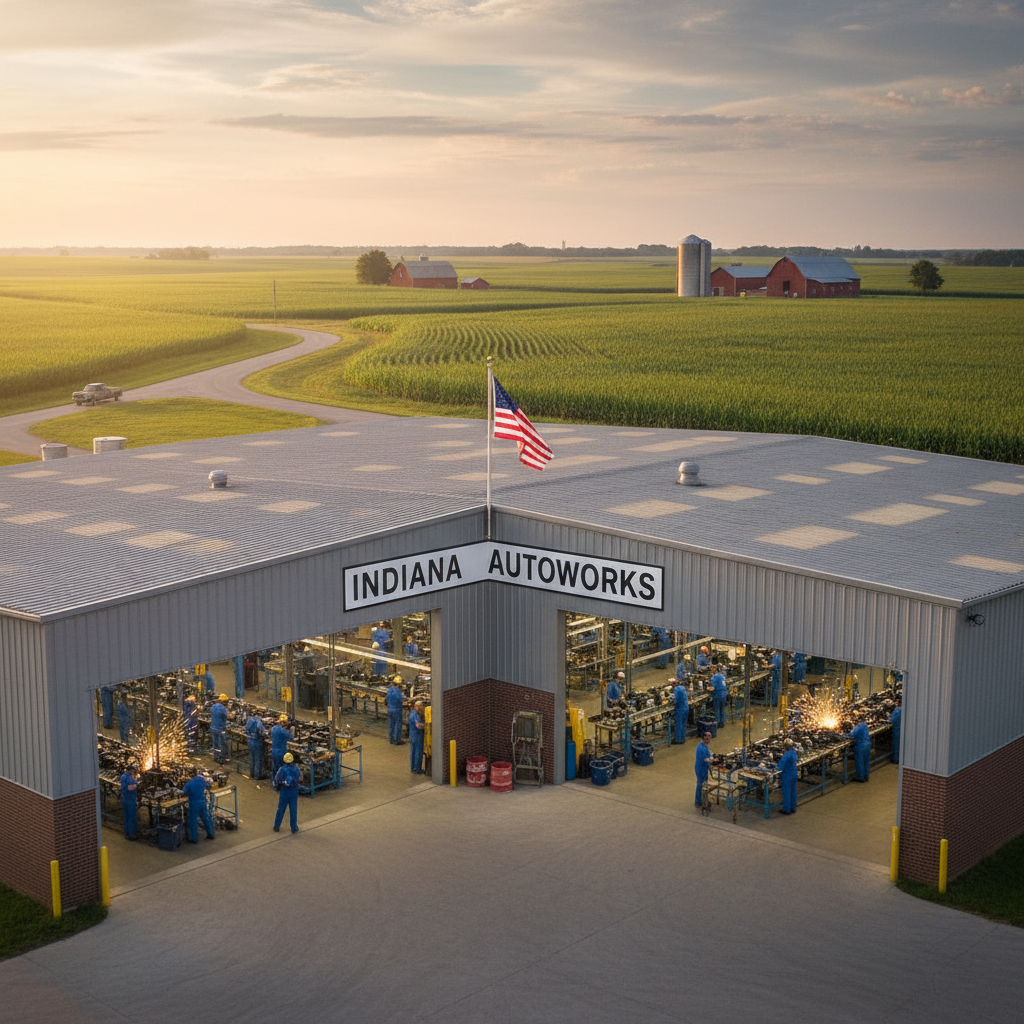
Indiana’s reputation as the most manufacturing-intensive state in the U.S. means it’s especially vulnerable to trade volatility. Companies producing car parts, heavy machinery, and electronics are already facing rising input costs and shipment delays.
Agricultural Worries Intensify
Soybeans, corn, and pork—major Indiana exports—are under threat. China’s pivot to Brazil and Argentina for agricultural products has caused a sharp drop in Indiana farm revenues.
Tech & Defense Supply Chains Disrupted
Firms involved in defense, aerospace, and clean energy technologies are scrambling to secure alternatives to Chinese rare earths, with some warning of production slowdowns by Q3.
Strategic Advice for Indiana Investors in 2025
1. Diversify Regionally and Sectorally
Avoid overdependence on sectors with direct Chinese links. Consider opportunities in domestic tech, renewable energy, and logistics firms headquartered outside geopolitical fault lines.
2. Favor U.S.-Centric Growth
Midwestern-focused companies in infrastructure and transport are poised to gain from federal reshoring incentives and local demand resilience.
3. Explore Alternative Assets
Assets such as REITs, commodities, and TIPS (Treasury Inflation-Protected Securities) are offering buffers against trade turbulence and inflation.
4. Stay Ahead of the Curve
Monitor key policy shifts, regional manufacturing reports, and international trade news. Being informed allows for more agile and calculated investment decisions.
Indiana’s Path Forward
Trade instability isn’t new for Indiana—but its consequences in 2025 are shaping up to be more intense and longer-lasting. From the heartland’s soybean farms to its automotive factories, the need for smart, diversified investment is clearer than ever.
Hoosier investors can ride out the storm by staying informed, reducing exposure to volatile sectors, and leaning into domestic economic strengths. While global trade shifts will continue, Indiana’s entrepreneurial and manufacturing spirit offers a path to resilience and renewal.