
- calendar_today September 3, 2025
Banks around the world are on the cusp of an unprecedented automation push that could render significant portions of the industry’s workforce redundant. Australia’s Commonwealth Bank is no exception, and in a massive embarrassment for the country’s largest lender, has been forced to backtrack on a round of layoffs attributed to artificial intelligence. The Commonwealth Bank of Australia (CBA) has agreed to rehire 45 workers, admitting its reasons for making their roles redundant were misleading.
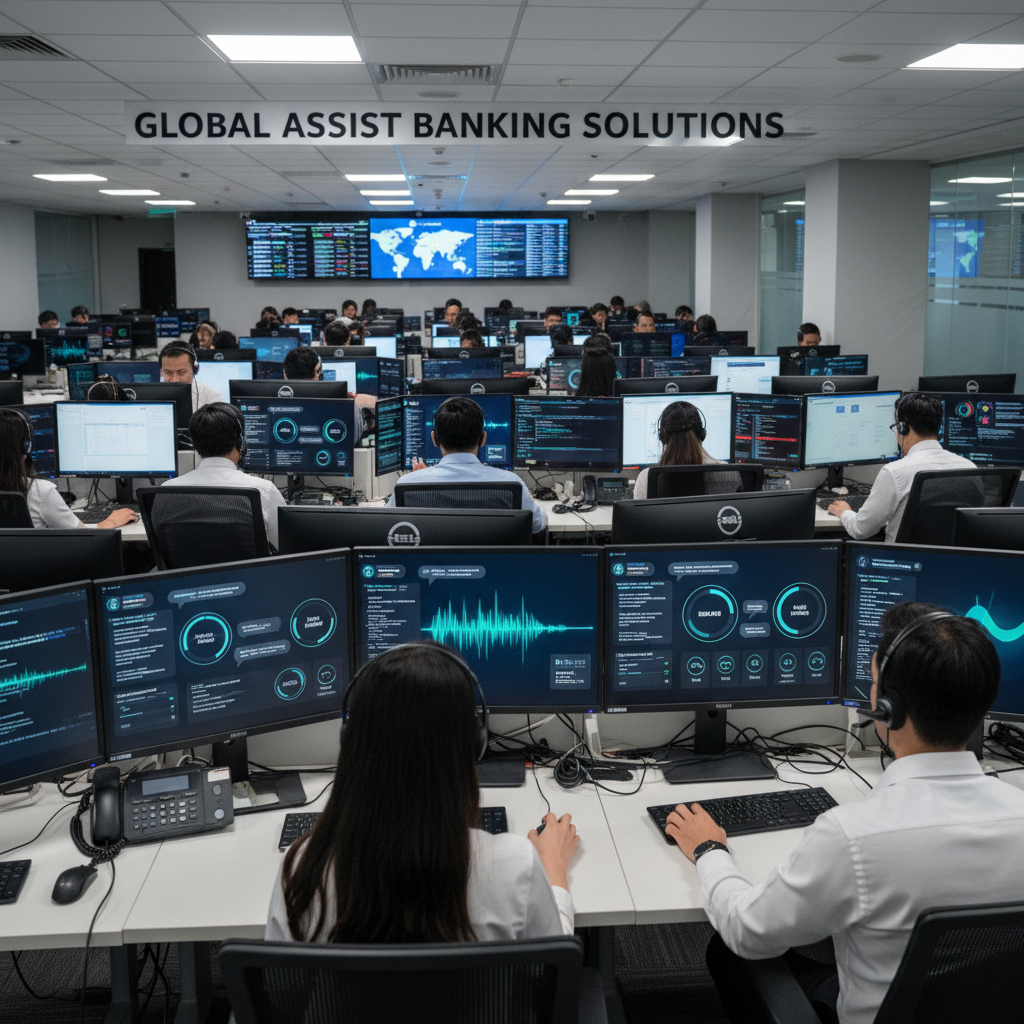
The situation stems from a case where the bank told dozens of employees with 20 years’ experience or more that they were no longer required. According to the bank, the rollout of a new AI-powered “voice bot” has reduced call volumes by around 2,000 a week, obviating the need for as many people to answer the phones. The 45 affected workers were told their services were no longer required and directed to apply for new roles within the bank or accept a redundancy package.
In response, the bank’s employees have disputed this explanation, with the Finance Sector Union (FSU) accusing CBA of misleading both staff and the public. The reality, according to workers, was that call volumes were not falling, but rising when these cuts were made. In fact, management was scrambling to cope with demand at the time, calling on managers to answer calls and offering overtime to affected employees.
The union took this case to a fair work tribunal, alleging CBA failed to provide “sufficient explanations of the redundancy process.” The FSU has also suggested the bank was using the AI-driven chatbot to mask a decision to offshore parts of the roles to India. According to media reports, CBA made “concurrent” hiring decisions in India at the time, muddying the waters around why it claimed the automation had necessitated making roles redundant.
At a hearing into the case, the bank acknowledged its mistake, with a CBA representative admitting that the group did not consider a significant and ongoing jump in call volumes that coincided with the redundancies. The increase, which lasted for months and continued to rise at the time, fundamentally undermined CBA’s initial claim that there was no longer the same level of need for human workers. “This error meant the roles were not redundant,” CBA said in the tribunal.
Following that admission, the bank reversed course, with CBA confirming it would apologize to affected staff and the 45 employees made redundant would be asked to return to work, apply for alternative roles, or take a redundancy package. “We have apologized to the employees concerned and acknowledge we should have been more thorough in our assessment of the roles required,” the spokesperson told Bloomberg.
The union has claimed the outcome as a “massive win” for its members, but admitted that in many cases, the damage had already been done to these workers. Many of the workers have been left in limbo for weeks over the fate of their jobs, while some have been hit with the sudden real fear of not being able to pay their bills. The bank has faced pressure from the FSU to recognize the negative impact it has had on staff, with the union using the case as a warning to other employers about the potential reputational risks of rushing to adopt AI.
Despite walking back this decision, CBA has not indicated that it will slow its adoption of automation technology. The bank announced a partnership with OpenAI earlier last week, with both companies working together to build advanced generative AI tools for services like scam detection, fraud prevention, and improved personalization. CBA has maintained that this is a move designed to help staff and embed the “responsible use of AI,” but the decision has been greeted with skepticism from workers.
The bank is part of a broader trend, with the global financial sector expected to cut as many as 200,000 jobs over the next three to five years, according to Bloomberg Intelligence. Banks see AI as a key part of cutting costs and streamlining, with “back office, middle office and operations roles” among the most vulnerable. This push has gained fresh impetus since OpenAI and similar companies have rolled out products that are now capable of handling far more of the non-core or backend work that banks previously relied on human workers for.
For the 45 workers at the center of the row, the next few weeks will likely be about deciding whether to go back to a job they were told no longer existed. The FSU has predicted many will still opt to leave, with trust in management believed to have been broken beyond repair. “The damage has already been done,” the union said. “All it’s shown is that the Bank’s hand can come down without warning on any worker.”
The union has also flagged that while the case is settled, another case with the Fair Work Commission (FWC) is ongoing. That case deals with CBA’s obligations for consultation over its use of AI more generally. Whether or not this will further curtail the bank’s use of AI is still up for grabs, but one thing is for certain: the road to automation and AI-based banking looks like it will be a far bumpier ride than bank executives originally imagined.