- calendar_today August 27, 2025
The International Space Station (ISS) has developed a new air leak which led NASA to postpone the upcoming commercial astronaut flight. While the space agency confirmed its decision to delay Axiom Mission 4 which intended to transport four private astronauts to the station it has not provided much information to the public. NASA officials and engineers are developing increasing worries about the situation when they meet privately behind closed doors.
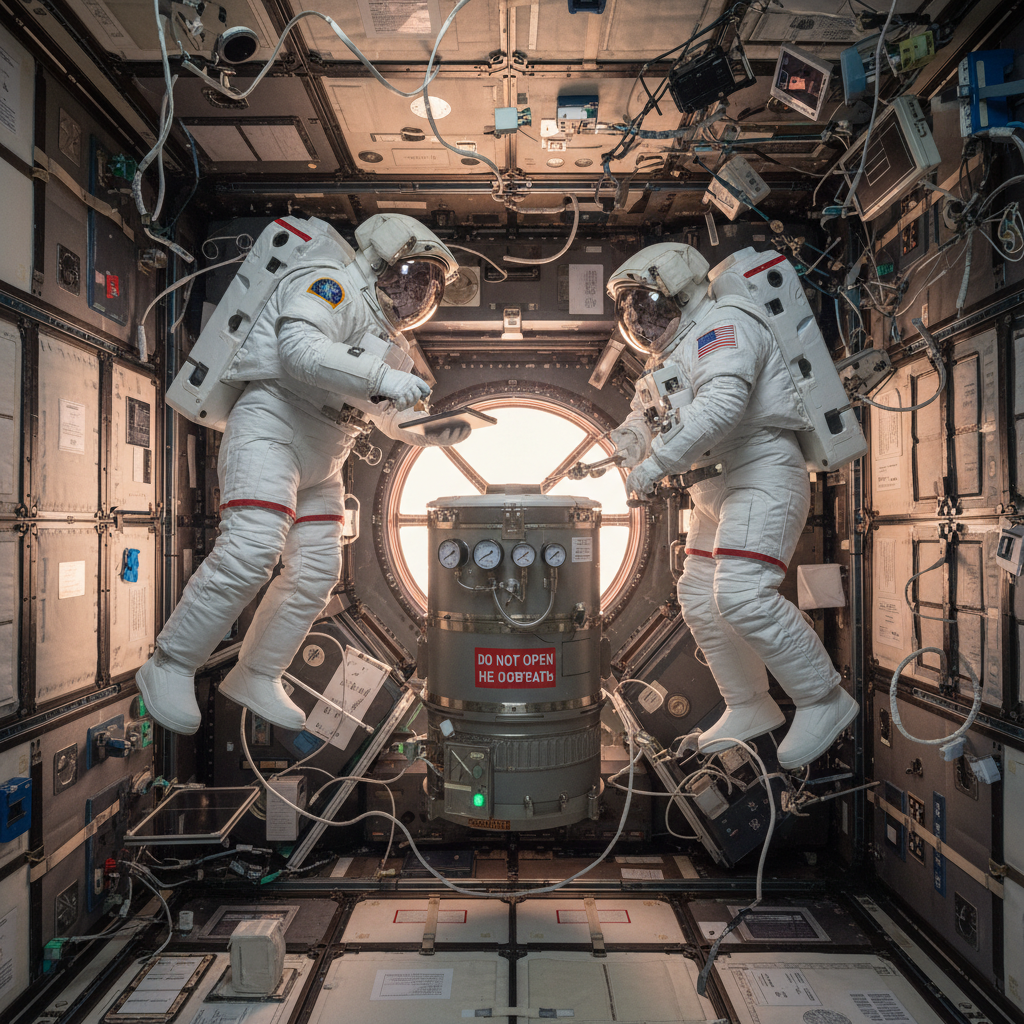
This leak is not an isolated incident. The International Space Station has faced a continuous air leak problem since 2019. The source of the leak was identified as the Russian Zvezda service module which stands as one of the oldest parts of the station after its initial launch in 2000. The transfer tunnel PrK that links the Zvezda module to the docking port for Soyuz crew vehicles and Progress resupply spacecraft is where the problem exists. Russian cosmonauts have repeatedly attempted to fix the small cracks in the PrK throughout the years. The repair attempts have reduced the leak rate yet failed to completely eliminate it. The station experienced its greatest loss at two pounds of air daily. The most effective solution to date involves closing the hatch to the PrK except when a spacecraft docks at the port.
Recent developments seemed to indicate a significant breakthrough occurred. The Russian space agency Roscosmos reported this month that they finished all repairs to the PrK module and achieved complete sealing. NASA issued a similar statement. The Russian space agency Roscosmos and NASA both stated that the leak inside the module had been stopped. That news should have brought relief. But it didn’t.
The pressure inside the ISS kept decreasing although the PrK was completely sealed. Engineers remain puzzled by the situation and have developed new concerns as reported by two sources familiar with the conditions. Although the five-year leaky module achieved a secure seal, the ISS remained in a continuous state of air loss. The main hypothesis suggests that the hatch seals leading into the PrK might have their own integrity issues. The PrK receives air leakage through its hatch seals from the station according to this situation. The newly sealed module keeps its pressure steady which creates a misleading perception that no air escapes while the entire station persists in losing its atmosphere.
NASA is now closely monitoring the situation. NASA is handling this issue with serious attention within the organization. A senior official reported that the ISS program is experiencing worry. NASA postponed Axiom Mission 4 because it had been planned for launch during this week. According to the agency the postponement provides additional time to assess the situation and determine if further troubleshooting is required. The ISS’s revised tentative launch date is June 18 but remains contingent on both the development of the leak and the discovery of a clear resolution.
There’s another reason this situation is so troubling: the risk of high cycle fatigue. Metals such as aluminum experience this structural fatigue when they endure repeated stress throughout time. The repeated bending of a paperclip until it breaks demonstrates this principle. The International Space Station’s components, especially the older structures such as Zvezda, are exhibiting wear after operating in space for several decades. NASA considers structural cracking to be the top risk on its 5×5 matrix that evaluates potential hazards based on their likelihood and severity.
High cycle fatigue represents a real-world threat. During a 1988 flight Aloha Airlines Flight 243 experienced a catastrophic failure as a fatigued section of the fuselage tore free in mid-air which exposed passengers to open air. The aircraft managed to land safely but this incident serves as a clear warning about how metal fatigue can unexpectedly lead to dangerous failures.
NASA has provided limited information to the public amid increasing concerns. The organization remains silent because it has neither organized any press briefings nor provided responses to most journalist inquiries. While the crew on the International Space Station performs their normal operations safely according to official reports, the ISS’s aging structure and frequent material fatigue signs suggest this leakage incident could indicate underlying structural weaknesses that demand immediate attention.