
- calendar_today August 22, 2025
With its forthcoming Windows Copilot, an artificial intelligence-powered assistant set to debut this fall, Microsoft is already generating headlines. That is not the whole narrative, though. Underneath the surface, the tech behemoth is getting ready with a set of clever, behind-the-scenes improvements for the tools you use every day, without needing a fresh interface, additional software, or a steep learning curve.
Microsoft is in the early phases of testing AI-driven improvements in well-known apps, including Photos, Snipping Tool, Camera, and even MS Paint, according to a Windows Central story. Copilot may be flashy, but these updates seek to make daily chores simpler, more intuitive, and somewhat more magical.
Starting with Snipping Tool, Camera, and Photos—apps that most users already find indispensable. Microsoft is getting ready to include optical character recognition (OCR) into these tools so users may copy text straight from images and screenshots.
Though it sounds basic, this could fundamentally alter how you view images. Imagine grabbing a screenshot of an address or recipe, or photographing a whiteboard during a conference. You will be able to choose the text and paste it anywhere you need it—right into a document, email, or chat window—instead of hand retyping the material.
Users now have to rely on outside tools for this chore or use cellphones with similar capabilities (such as Apple’s Live Text on iPhones). Microsoft wants to have this component of the Windows experience without any add-ons.
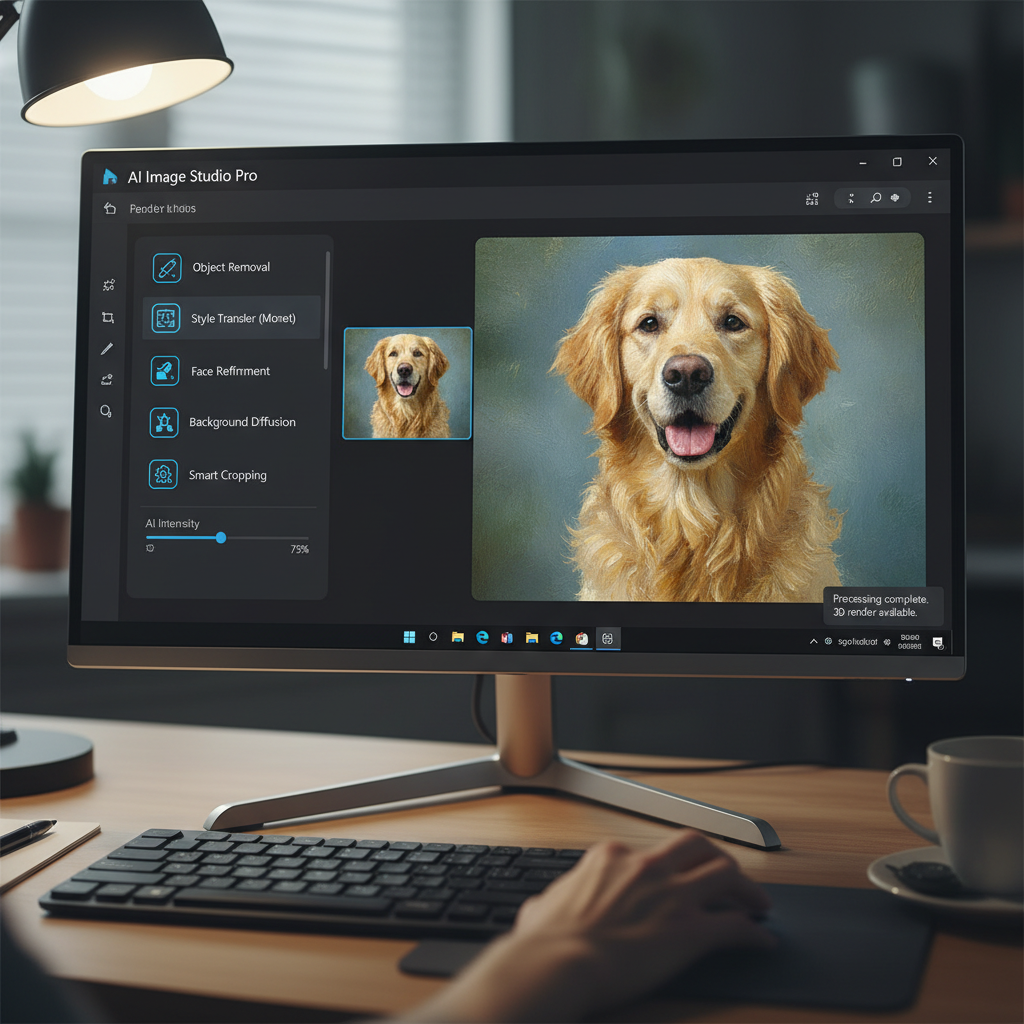
Another app benefiting is the Photo one. Beyond only identifying text, Microsoft is working on tools that might recognize objects, people, and animals in images. These components could be readily cropped or isolated for use in editing or distribution from their backgrounds.
You will thus shortly be able to perform tasks including:
- One click should remove the background behind someone.
- From an image, grab a product to use on an online store.
- Make a pet picture transparent PNG sticker.
Not only is this useful for creatives. Built-in image intelligence that streamlines jobs we have been manually doing for years could help students, marketers, teachers, and regular users.
Paint Gets Generative AI; NPUs Bring It All Together
Then there’s MS Paint, an app that many haven’t opened in years, let’s face it. That might not be the case very shortly.
The paper claims that Microsoft is working on including text-to-image generation into Paint. Users will thus be able to type in a prompt, say “a futuristic city floating in the sky,” and have Paint create the artwork for them using generative artificial intelligence.
This is predicated on technology Microsoft already employs, running on OpenAI’s DALL-E model in Bing Image Creator. Taking it to Paint is a daring action that transforms a nostalgic tool into a creative playground.
Naturally, all of this calls for some very significant processing capability. Neural Processing Units (NPUs) then become rather useful.
Designed to manage AI-specific chores more effectively than conventional CPUs or GPUs, NPUs are chips. Although NPUs are already included in Qualcomm’s Snapdragon CPUs, support has been limited to a few Windows-on-ARM devices. However, with the arrival of Intel’s Meteor Lake chips and AMD’s 7040 series, which both feature built-in NPUs, that is about to shift.
Why is this important? NPUs let your device manage text extraction, image recognition, and generative artificial intelligence without depending on cloud servers by allowing local processing of AI tasks.
Consequently, that produces:
- Accelerated performance
- Decreased latency
- More privacy
- More energy efficiency
Windows 11 only employs NPUs for basic capabilities like video call enhancements today. These forthcoming changes, however, point to Microsoft preparing the foundation for a far more private, AI-powered computing experience.
These are not, all things considered, headline-grabbing elements. These considerate, useful tools are meant to subtly enhance your PC usage. And for many consumers, that is precisely what artificial intelligence ought to be.