
- calendar_today August 13, 2025
Maruti Suzuki’s 4% price hike in April 2025 raises concerns among Indiana car buyers as global auto market trends impact vehicle affordability.
Indiana Car Buyers React to Maruti Suzuki’s Upcoming Price Increase
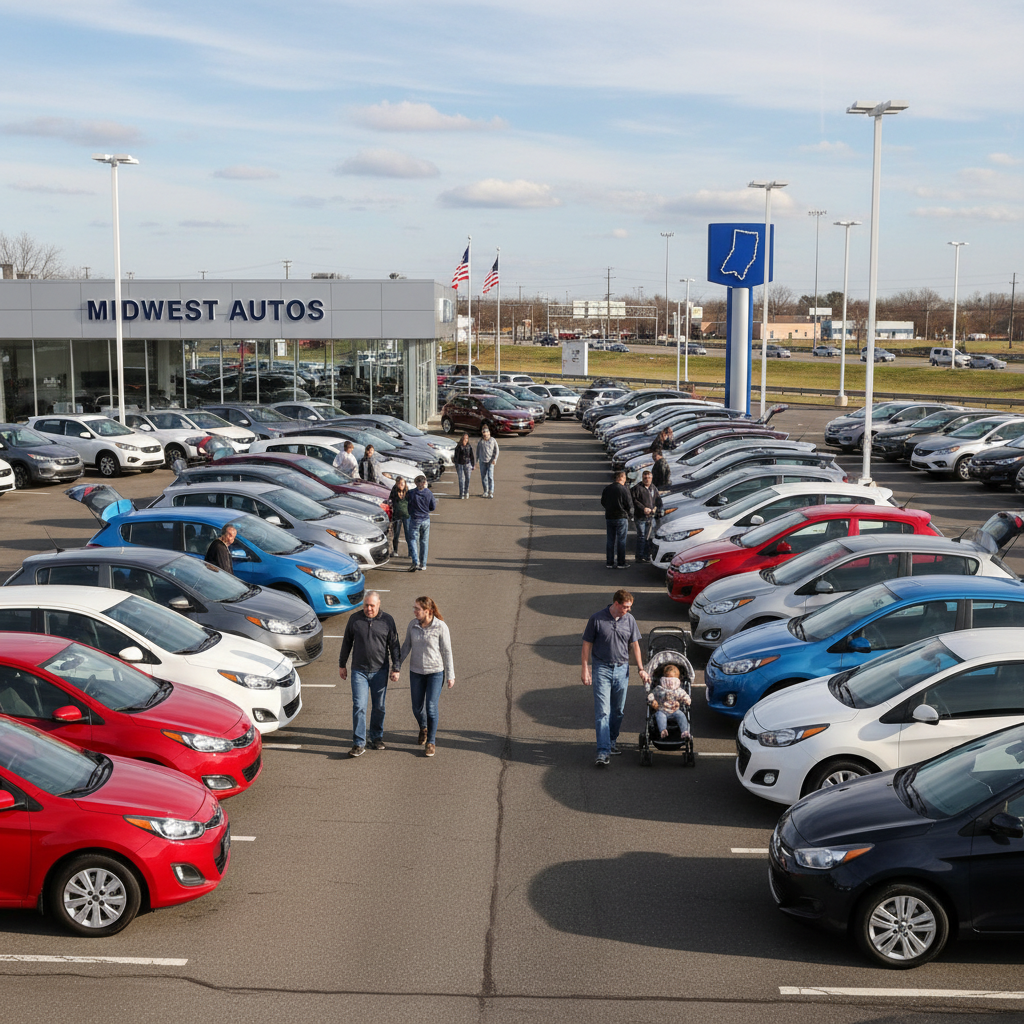
Car buyers in Indiana are bracing for the ripple effects of Maruti Suzuki’s 4% price hike, which is set to take effect in April 2025. While Maruti Suzuki primarily serves the Indian market, its pricing adjustments often signal broader trends in global auto pricing, potentially influencing affordable and economy car prices in the U.S.
With raw materials increasing in price, supply chain problems persisting, and manufacturing costs being more, automobile producers across the globe, including those in Indiana, are increasing prices. Car showrooms, people living in Indiana, and car experts are concerned about the possible price hikes in the domestic market.
Why Maruti Suzuki is Inflating Prices by 4%
The 4% increase in cost is due to some humongous problems that are haunting the car manufacturers across the globe:
Raw Material Costs On the brighter side: Steel, aluminium, and semiconductors are going up and producers are being compelled to repricing.
World supply chain disruptions have not been stemmed and this has added a cost of shipping and transporting.
Labor and production costs are going up by compelling the world’s automotive producers to pay a premium and, in return, transfer the cost.
Although Maruti Suzuki is not directly selling the car in America, these financial limitations indirectly influence other companies like Toyota, Honda, Nissan, and Hyundai, which all have a significant sales presence across Indiana.
How Could Indiana Car Buyers Be Affected?
While Maruti Suzuki’s price increase is centered in India, it could have indirect effects on Indiana’s auto industry:
1. Price Increases on Affordable Vehicles
Competitors of Maruti Suzuki in the global economy car segment—like Hyundai, Toyota, and Nissan—may also alter their price. Locals of Indiana looking for cheap cars might have to pay more than expected.
2. Used Car Prices May Increase
As new car prices go up, used car demand can rise, pushing pre-owned vehicle prices higher. This occurred when the pandemic caused supply disruptions, and the same effects could happen in Indiana’s used car market.
3. Local Auto Dealers Can Provide Incentives
Indianapolis, Fort Wayne, and Evansville auto dealerships can offset pricing concerns with special financing offers, extended warranties, or trade-in incentives to encourage purchases despite higher prices.
What Should Indiana Automobile Buyers Do?
Automobile industry experts suggest that automobile purchasers in the state of Indiana do the following to possibly avoid price spikes:
- Compare at Multiple Dealers-Checking several may assist a buyer in finding the one with the most savings.
- Opt to Lease; Leasing May Be Less Volatile Than New Car Buying
- Certified Pre-Owned-Are Warrantied and Possibly Less Costly Than New Versions.
- Look to Hybrid and EV Options: Lower fuel costs and government subsidies might make hybrid and electric vehicles a less expensive option in the long run.
What’s Indiana’s Next Auto Market Move?
While Maruti Suzuki’s 4% price increase is set to take effect in April, many industry analysts predict continued inflationary pressures in the auto market. Indiana buyers should stay informed about industry trends, dealership promotions, and financing options to make cost-effective car purchases in 2025.