
- calendar_today August 12, 2025
Introduction
Indiana, home to its strong manufacturing sector and farm output, is facing unprecedented economic distress as President Trump’s trade policies remake global markets. The administration’s tariffs, supply chain interruptions, and changing trade relations are particularly affecting major industries hardest, with consumers and businesses in the state getting used to ever more uncertain economic times. From increased manufacturing costs to difficulties for local farmers, the effects of trade policy are being felt throughout Indiana’s economy.
Manufacturing Battles with Increasing Costs: Effects on Major Industries
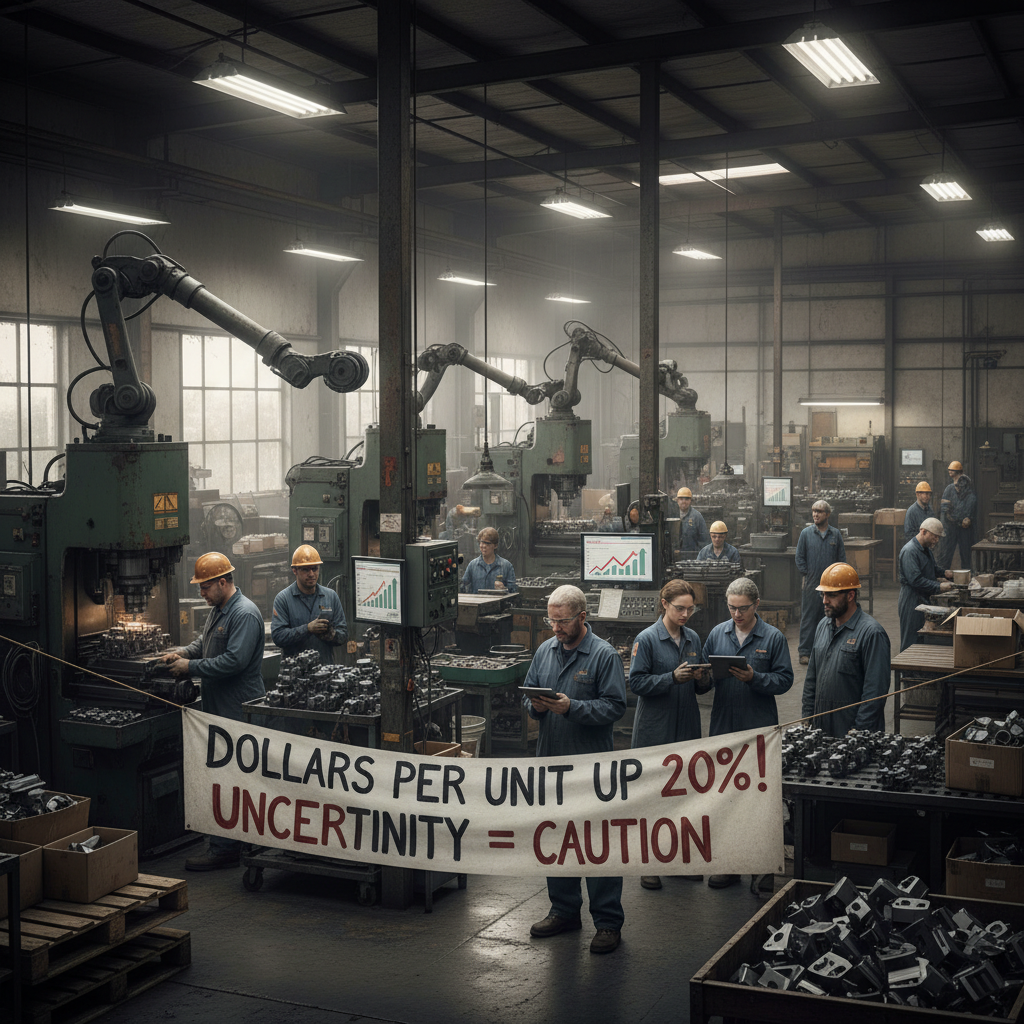
Indiana’s manufacturing base, the support of the state economy, lost business primarily due to the tariffs imposed by the Trump administration. The state’s reliance on cheap raw materials and foreign markets for products such as steel, aluminum, and Chinese components exposed it to the unpredictability created by these measures.
Increased Costs of Production
Indiana manufacturers, particularly the automobile, machinery, and equipment sectors, are also paying more to get by with the steel and aluminum tariffs. Steel and aluminum, utilized in the production of vehicles, machinery, and infrastructure, have increased by up to 25%. For automobile, machine, and equipment manufacturers, the increased raw material cost can result in:
- Increased consumer cost on finished goods like automobiles and heavy machinery.
- Possible slowing down of production since companies will be unable to bear rising costs.
- Shifting of profit margins, creating financial instability for certain firms, especially small manufacturers with tight margins.
Export Pressure and Retaliatory Tariffs
Tariffs have ripple effects that spread beyond U.S. trade. With China, among other trading partners, retaliating with their own tariffs on American goods, Indiana’s manufacturing industry is experiencing renewed pressure on export. As one example, heavy equipment manufacturers in the state are experiencing lower demand for their product abroad because it costs more. This is particularly troubling for large manufacturers with large export operations.
To counter increased production costs and retaliatory trade tariffs, almost all businesses are having to make tough choices, such as:
- Reducing workers to lower the cost of labor, potentially causing manufacturing center layoffs throughout the state.
- Increasing prices, potentially eventually harming consumer demand and lowering sales.
- Postponing growth strategies, affecting long-term economic expansion and employment within the area.
- As businesses react to these market changes, increasing worry develops about the loss of employment and slowing in the state’s manufacturing base.
Agriculture Adapts to Trade Disruptions: A Struggling Sector
Indiana’s agricultural sector, a vital part of the state’s economy, is also suffering from the repercussions of changes in trade policy. With the highest levels of production in the world of such crops as corn, soybeans, and pork, Indiana farmers are suffering as leading foreign markets impose tariffs on American farm exports.
Retail and Consumer Spending Pressured by Inflation
The raised tariffs raise the prices of imported goods, and Indiana buyers have already begun feeling the effects through higher prices on a variety of non-essential as well as essential items. Starting with cars and electronics and going all the way to kitchen essentials, living in the state has become ever more expensive as a result of inflationary pressures.
Increasing Prices On Top-Selling Goods
Items such as electronics, appliances, and cars, which tend to rely on foreign material, have risen in cost due to tariffs. That includes:
- Consumer appliances and electronics, where the tariffs applied to Chinese-source components have pushed prices of everything from kitchen equipment to phones.
- Cars, whose foreign steel and auto parts tariffs are inflating production costs, which might pass through to consumers in the dealership.
- These rising prices are likely to result in lower consumption since families are already allocating more of their income to necessities. With lower discretionary spending, all Indiana retail firms could be impacted as consumers will likely buy fewer discretionary items. This can result in:
- Lower sales for the retailers, especially those that deal with industries such as electronics, motor vehicles, and home furnishings which are most directly impacted by tariffs increases.
- Slowing of the economy of the state, with less consumer spending lowering the businesses in the region and even leading to unemployment in the retail sector.
Indiana’s Economic Future: Navigating Trade Uncertainty
While as Indiana farmers, consumers, and businesses adjust to the new trade landscape, the economic future of the state is still on shaky ground. Although the healthy manufacturing base of the state and hardy farm sector buffer to some extent from economic blowback from tariffs, long-term impact of trade tension will have to be navigated gingerly.
The economy of Indiana has always been indicated to bounce back from hardship. Some firms seek opportunities to diversify their supply chains and de-risk against tariff-struck imports. Farmers would have the opportunity to find alternative markets overseas or diversify into crops commanding higher local demand.
Yet, for ensuring the long-term prosperity of the state’s economy, it will be imperative that policymakers and business leaders collaborate and advocate the reforms of trade policy so as to minimize uncertainty and achieve stable market conditions.
Government Support and Trade Negotiations
In order to ease the tariff blow, the state and federal governments will have to provide economic relief to the hardest hit sectors, which are agriculture. Trade negotiations leading to tariff reductions or the formation of new trade agreements can relieve farmers and manufacturers.
While Indiana remains to respond to the changing trade landscape, the state’s capacity to respond to such changes and seek out new avenues in global markets will be the deciding factor to the state’s long-term economic stability.
Conclusion
Indiana stands at a choice point as it seeks its footing in the aftermath of President Trump’s trade policies. The farm and manufacturing sectors in the state are being squeezed by rising costs and export challenges, and consumer consumption is being squeezed by higher prices on basic commodities. However, these problems will determine the economic direction of the state for the next few years with the economic resilience of Indiana and its ability to diversify and adapt to changing trade trends. For the moment, policymakers, farmers, and businesses are trying to ride out the uncertainty of the trade environment, hoping that some solution will come along to stabilize the state’s economy and allow it to thrive again.