
- calendar_today August 8, 2025
Indiana’s 2025 Real Estate Trends: A Model of Midwestern Stability
As the U.S. housing market sees sweeping shifts across coastal regions and major urban hubs, Indiana remains one of the few states that showcase stability in a year marked by economic caution and cautious optimism. According to real estate professionals, builders, and local analysts, the state is entering 2025 with a housing market that’s not booming—but not faltering either.
While homebuyers across the country face rising mortgage rates and lingering inflation concerns, Indiana stands out for offering relatively affordable homes and continued growth in its suburban corridors. Cities like Carmel, Fishers, Fort Wayne, and even parts of the Indianapolis metro area are witnessing a steady stream of both first-time buyers and families relocating from pricier markets.
Suburban Strength and Smaller Markets Lead the Way
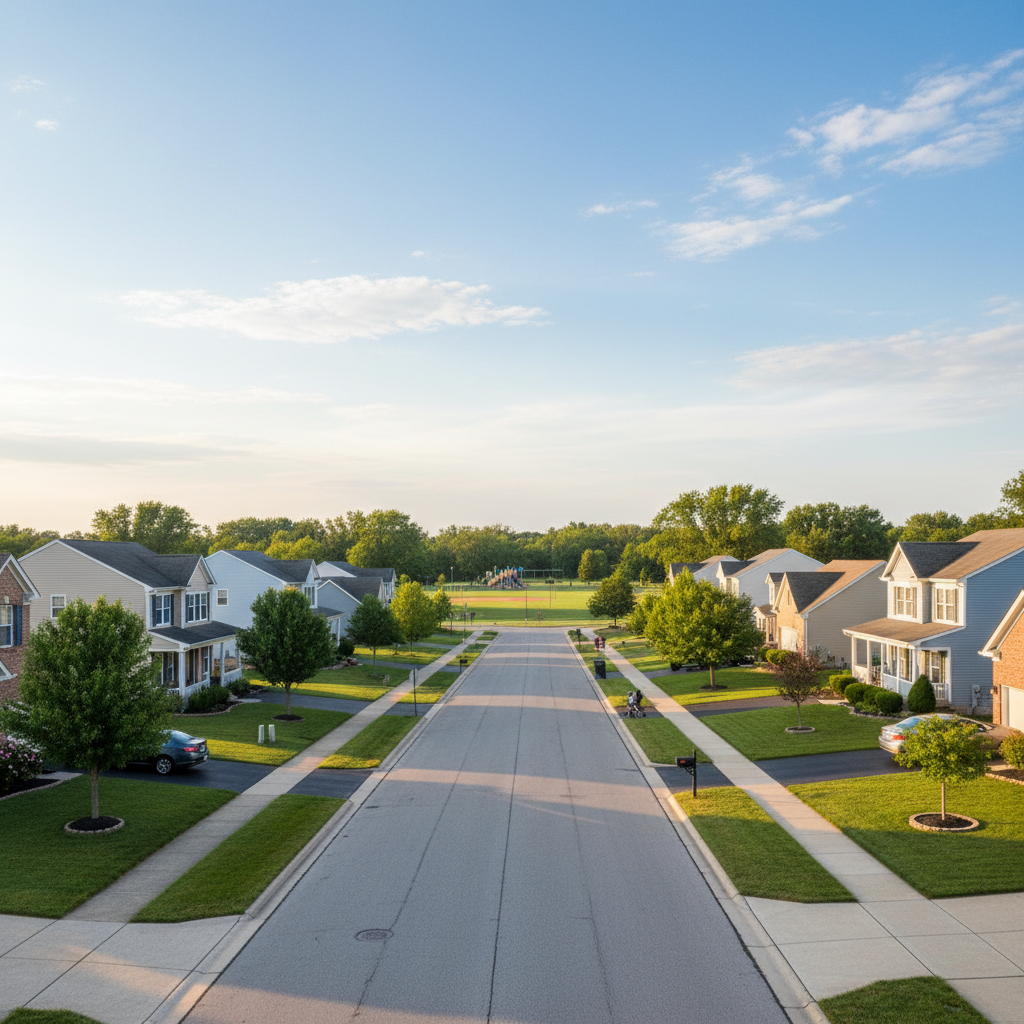
Indiana’s housing growth is not centered around large-scale urban gentrification or luxury condo development. Instead, it’s taking place in modest neighborhoods and expanding towns where homes under $300,000 are still available, and new construction is focused on meeting that demand.
Developers in towns like Plainfield, Noblesville, and Bloomington are emphasizing practical single-family homes, often paired with green spaces and access to schools and healthcare. These factors, according to real estate firms operating in Indiana, are making the state particularly appealing to young families and remote workers who are fleeing the inflated prices of Chicago or even Columbus, Ohio.
In Fort Wayne, for example, median home prices have edged upward by just 4% compared to the national average of nearly 8%, making it a comparatively stable investment market for both local buyers and out-of-state investors.
Supply Challenges Persist—but They’re Manageable
While Indiana is not immune to the inventory squeeze affecting much of the country, it’s better positioned than many of its neighbors. Statewide housing inventory remains tight, especially for homes in the $200,000–$350,000 range, but builders are slowly closing the gap.
Zoning reform discussions in Marion County and other jurisdictions may help accelerate the development of mid-density housing. Local governments are also incentivizing infill development and townhome projects in areas previously restricted to single-family lots. Experts expect this regulatory shift to play a modest but meaningful role in the 2025 housing balance.
Interest Rates Are Shaping Buyer Behavior
Higher interest rates have impacted Indiana’s market, but their effect is muted compared to regions with steeper price points. Rather than triggering market freezes, the rate hikes have simply slowed down the pace of transactions. The bidding wars that defined 2021 and 2022 are now mostly gone, replaced by negotiation-heavy sales and price-conscious buyers.
Mortgage lenders in the state are increasingly seeing demand for adjustable-rate products or rate buydowns. This suggests that while buyers remain active, they’re being more strategic, opting for flexibility over long-term lock-ins.
Outlook for 2025: Modest Growth and Continued Affordability
Looking ahead, Indiana is unlikely to see dramatic price spikes or crashes in 2025. Most analysts agree the state will continue its path of moderate appreciation, especially in key commuter-friendly corridors and suburban pockets. Renters may also benefit, as several multifamily developments slated to open in late 2025 could help ease pressure in city centers.
There’s also optimism among realtors that if mortgage rates stabilize in the latter half of the year, sidelined buyers may re-enter the market, particularly in Indianapolis, where rental costs are beginning to rival entry-level mortgage payments.