
- calendar_today August 7, 2025
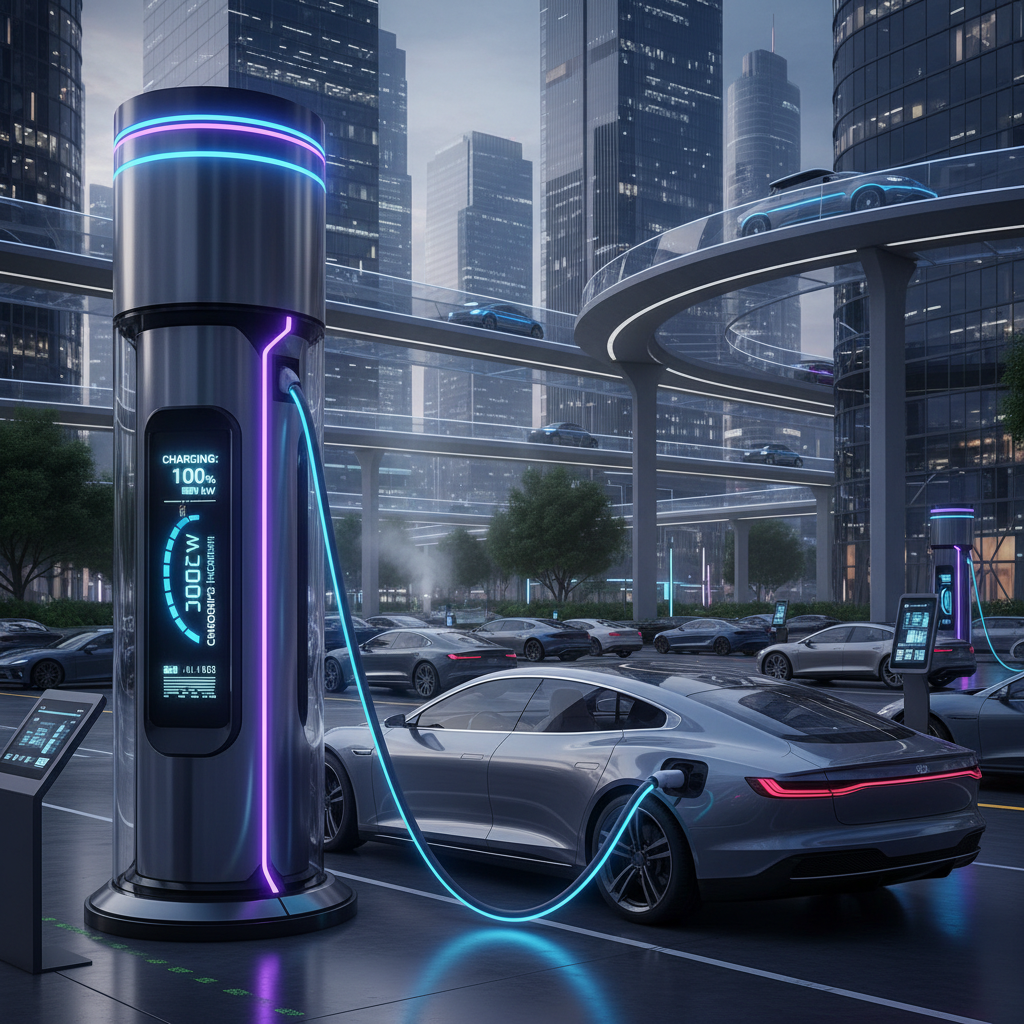
The launch of BYD’s 1,000 kW charging technology reveals a major technological advantage for Chinese EV makers in rapid charging. The new “super e-platform” technology with 10C charging capability enables drivers to gain 249 miles (400 km) of range in only five minutes. Current industry standards reveal a significant gap as high-performance chargers used in Formula E reach 600 kW and Tesla’s Superchargers max out at 250 kW. China emerges as a leader in EV charging technology yet political obstacles hamper its influence on the worldwide market particularly in the US.
BYD’s development progresses due to its 10C charging capability alongside a 1,000 kW output rate. The charging speed achieved with this technology minimizes EV refueling time and resolves a significant issue for customers. BYD chairperson Wang Chuanfu declared their target to achieve electric vehicle charging speeds comparable to a gasoline car refueling process while demonstrating the company’s desire to transform the electric vehicle driving experience. BYD intends to install more than 4,000 megawatt chargers in China to serve its new electric vehicles Han L sedan and Tang L SUV.
The Technological Advantage: 10C Charging and 1,000 kW Output
Chinese EV manufacturers benefit from a substantial technological edge with the introduction of 10C charging capability and the high output of 1,000 kW. The new development improves EV ownership convenience while establishing an unprecedented standard for charging speed. EV adoption rates could increase faster if EVs can quickly gain substantial range because this solution addresses two major buyer concerns about range anxiety and lengthy charging times. Battery technology has taken a significant leap forward with the introduction of the new super e-platform. The combination of this technology and the new chargers represents a major advancement for the electric vehicle industry.
US Market Barriers: Political Resistance and Protectionism
BYD shows technological expertise but faces significant political barriers that limit its entry into the US market. Congressional members from both political parties have actively taken steps to stop Chinese EV manufacturers from entering the United States market. Political opposition arises from worries about national security threats, economic rivalry and safeguarding domestic manufacturing sectors. The protectionist approach in the US establishes considerable obstacles against integrating Chinese EV advancements while also endangering America’s shift to electric vehicles.
Political resistance creates barriers that delay BYD’s advanced charging technology from reaching American consumers right away. Automakers domiciled in the US might have the opportunity to license this technology from BYD. The political environment presents challenges to implementing such business agreements.
Navigating Range Standards and Potential Licensing
We need to recognize and understand the differences between the range estimation standards. BYD’s reported 249-mile range derives from the CLTC standard which is more lenient than the US EPA standard. The real-world driving range consumers could expect would fall below this level when tested against EPA standards.
Licensing BYD’s technology remains a feasible opportunity even as political barriers and differing range standards present challenges. The implementation of licensing agreements would make faster charging standards available in the US which would close the technology gap and extend rapid charging advantages to more users. US consumers would benefit from advancements in charging technology through these developments.
Chinese electric vehicle producers gain significant technological advantages from BYD’s 1,000 kW charging technology. This innovation’s impact on the global market and specifically the US depends on overcoming political barriers and managing different range standards.