
- calendar_today June 9, 2026
In a move that places Indiana at the forefront of the national discussion on artificial intelligence, the Bloomington Common Council is set to debate a resolution addressing mounting concerns over the development of advanced artificial intelligence systems. The measure focuses on artificial intelligence, highlighting perceived existential risks and urging immediate action from both local and federal authorities.
Bloomington Council Confronts Artificial General Intelligence
The resolution, labeled 2026-10, directly addresses artificial general intelligence (AGI). Council member Dave Rollo, referencing leading AI safety experts, warned the council of the potential hazards stemming from artificial general intelligence. The resolution underscores fears that, without robust safety measures, continued aggressive AI development could lead to unpredictable and potentially catastrophic outcomes, including the emergence of AI superintelligence through processes like ai recursive self improvement.
Call for a Federal AI Moratorium
Among its recommendations, the resolution urges elected officials to push for a federal ai moratorium on AGI research and development until alignment with human values and comprehensive ai safety protocols can be assured. The proposal insists on greater awareness of AI risks by policymakers, calling for enhanced education and oversight regarding artificial intelligence systems.
Indiana’s Expanding AI Infrastructure
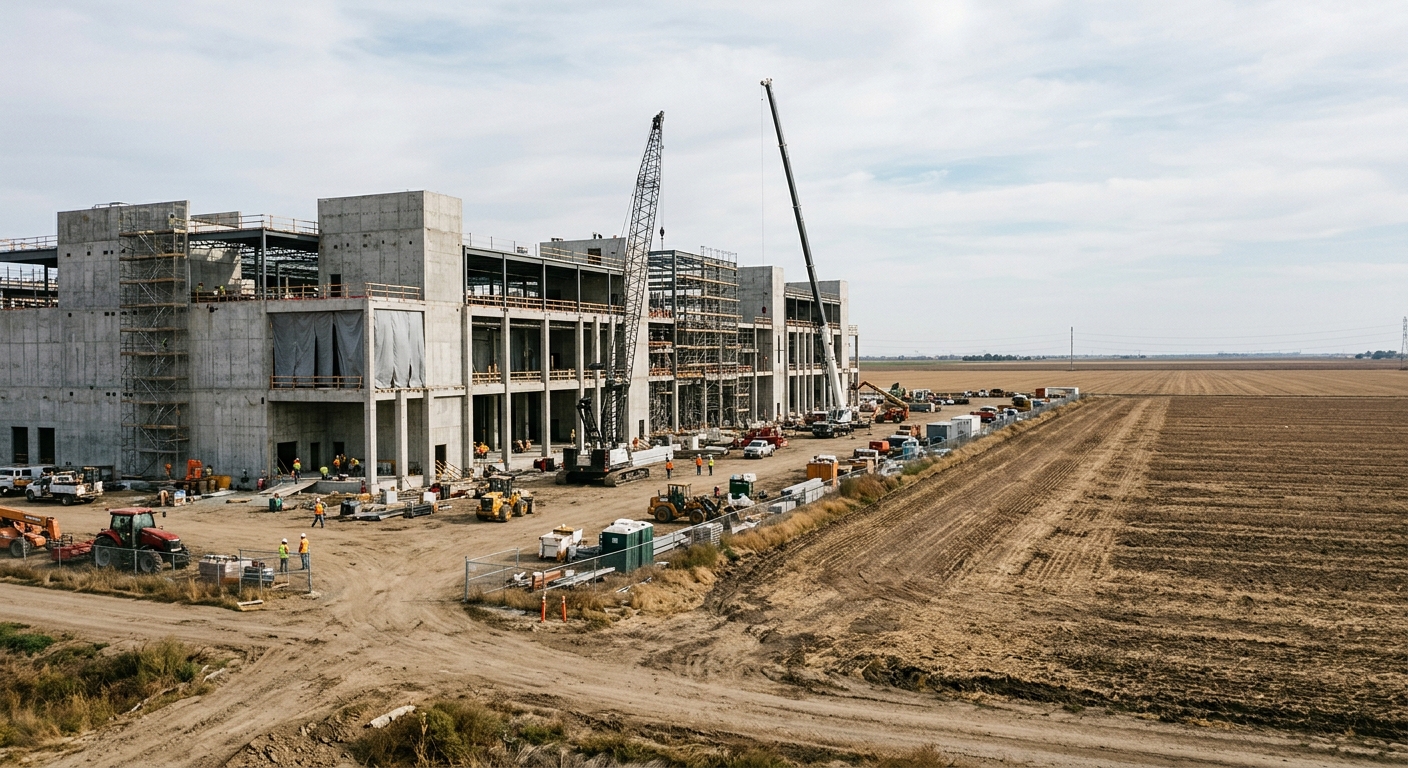
This legislative consideration comes as Indiana witnesses a surge in ai infrastructure expansion, with global technology firms such as Meta, Google, and Amazon investing heavily in ai data centers across the state. Plans for several new facilities are underway, positioning Indiana as a significant hub for the digital economy. However, these rapid infrastructure projects have sparked local debate about their long-term implications.
Community Reactions and Economic Tensions
While proponents tout job creation and increased tax revenue, some residents have expressed apprehension about the consequences of aggressive AI development. Concerns include rising electric bills, strain on public utilities, and the conversion of farmland for ai data centers. Community meetings have drawn attention to the trade-offs between economic growth and the protection of local resources.
The Broader Picture: Regulation and Risk Management
The Bloomington Common Council’s action reflects a broader reckoning over the role of ai regulation in managing the pace and potential impact of artificial intelligence. Across Indiana, stakeholders are grappling with how best to balance economic opportunities provided by advanced tech companies with the dangers posed by unregulated AI research and deployment.
Potential for Superintelligence and Policy Response
Central to the council’s concerns is the risk of ai superintelligence arising from unchecked ai recursive self improvement. As researchers debate the feasibility and timeline for such advancements, the urgency for robust policy frameworks becomes increasingly apparent. The council’s proposed moratorium echoes calls by specialists in AI safety, who advocate for prudent oversight before irreversible milestones in artificial general intelligence are reached.
Public Deliberation Continues
The upcoming council meeting in Bloomington is expected to draw significant public interest, reflecting growing awareness of AI risks among Indiana residents. As the state continues to attract investment in ai infrastructure, debates over ai regulation and safety are likely to intensify. The outcome of this resolution could influence policy discussions far beyond Indiana, setting a precedent for local governments nationwide as they confront the far-reaching challenges of artificial intelligence.