
- calendar_today August 5, 2025
Indiana’s Luxury Housing Market in 2025: 6 Expert Predictions
Indiana’s luxury housing market is experiencing a pivotal moment in 2025. Following a year marked by broader economic realignments, including inflation adjustments and interest rate hikes, high-end real estate in the Hoosier State is proving to be durable. While mid-tier markets have faced softening conditions, the top tier remains resilient, bolstered by affluent local buyers, interstate migration, and increasing appeal to global investors.
In Indiana, luxury homes—typically those priced in the top 5–10% of local markets—are now defined not just by size or location, but by innovation, privacy, and quality-of-life enhancements. From smart home features to wellness amenities, buyers in 2025 are prioritizing value that extends beyond square footage.
Here are six predictions experts say will shape Indiana’s luxury property landscape this year:
In areas like Carmel, Zionsville, and parts of Indianapolis, luxury home prices are expected to remain stable or see slight gains in 2025. As inflation moderates and interest rates level off, cash-heavy buyers are continuing to transact, especially in turnkey properties.
Real estate agents across Central Indiana report that well-located homes with premium finishes are commanding top dollar—particularly those offering privacy, new construction, or energy-efficient upgrades.
“Buyers aren’t rushing,” said a Carmel-based broker. “They’re taking their time, but they’re still closing when the home checks all the boxes.”
2. Foreign Buyers Begin to Eye the Midwest
Although Indiana has not traditionally been a hotspot for international luxury investors, 2025 could mark the beginning of a shift. With global travel restrictions easing and economic recovery underway in Europe and parts of Asia, U.S. real estate is again being seen as a safe haven—especially in states offering a high quality of life at relatively lower cost.
According to preliminary data from the National Association of Realtors, international inquiries about Indiana properties—particularly larger estates near universities or corporate hubs—have risen modestly in early 2025. Some of this interest is linked to parents of international students and investors seeking long-term rental opportunities.
3. Smaller Cities and Suburbs Outperform Traditional Hubs
In 2025, secondary cities and suburban regions in Indiana are showing impressive growth in luxury demand. Areas like Fishers, Bloomington, and West Lafayette are attracting affluent buyers who value space, green surroundings, and access to education or healthcare systems.
This migration trend reflects a broader national pattern in which luxury buyers are moving away from coastal congestion and toward interior markets with more space and lifestyle perks. Indiana’s low property taxes and cost of living make it particularly attractive to both in-state upgraders and out-of-state transplants.
4. Smart Home Technology and Wellness Spaces Lead the Way
Today’s Indiana luxury buyers expect homes that align with modern living. From fully integrated smart systems to wellness-centered design, features that promote convenience, health, and energy efficiency are now essentials, not extras.
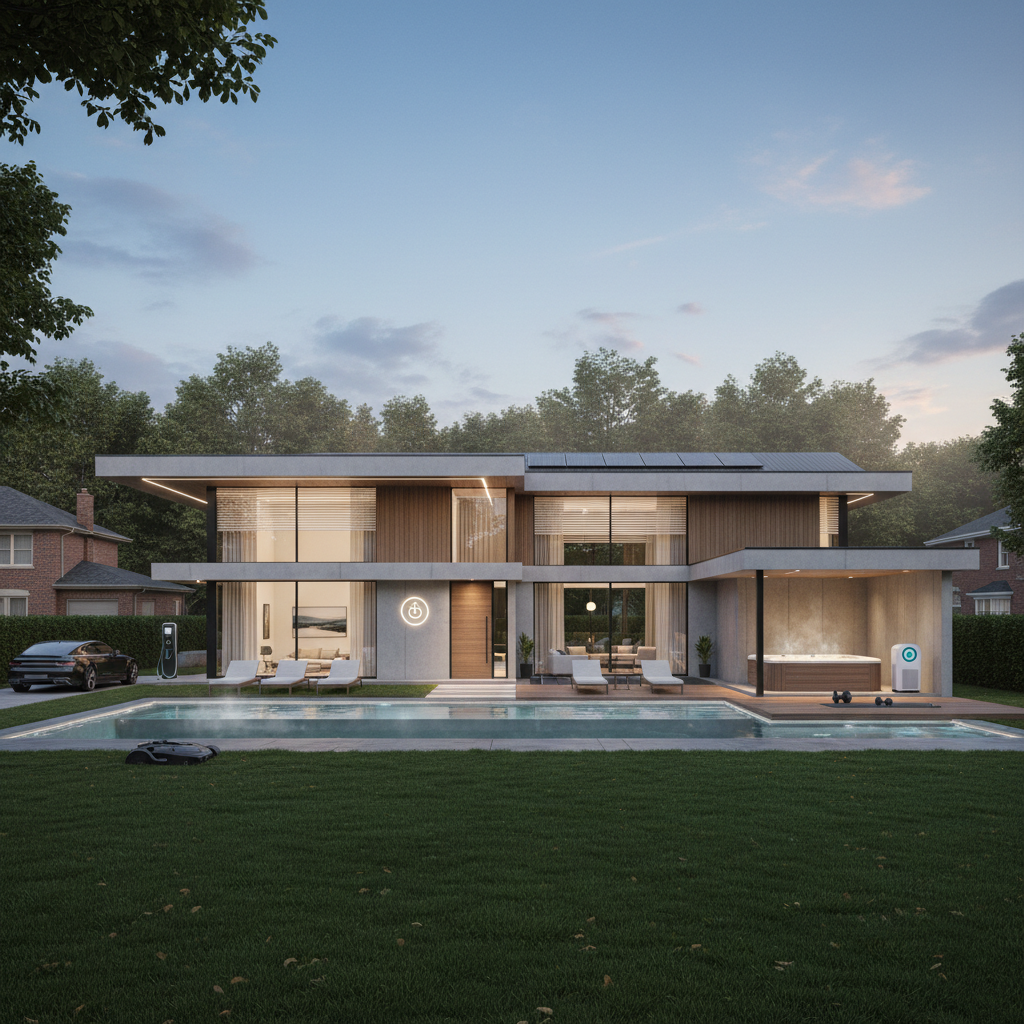
Demand is particularly high for homes with automated climate control, security systems, EV charging stations, and spa-like amenities such as infrared saunas and air purification. A recent Midwest housing survey showed that more than 65% of Indiana luxury buyers rated wellness features as a top priority in their search.
5. Tight Inventory Keeps Sellers in Control
Luxury inventory in Indiana’s most desirable areas remains tight heading into 2025. In places like Meridian-Kessler and Geist Reservoir, listings are limited, and buyers face stiff competition for move-in-ready homes. Many long-time homeowners are choosing to hold onto properties, and new construction—while increasing—faces delays due to labor and permitting challenges.
As a result, homes in the $1.5M+ range that hit the market in peak condition often receive multiple offers. This low supply has also fueled growth in off-market and private sales, especially in the ultra-luxury category.
6. High-End Rentals Gain Popularity Among Affluent Residents
One of the notable shifts in Indiana’s luxury sector is the growing appetite for high-end rentals. Corporate executives, professional athletes, and short-term transplants are increasingly opting for leasing instead of buying, driven by flexibility and financial strategy.
Downtown Indianapolis and college towns like Bloomington are seeing monthly rental rates above $8,000 for furnished penthouses and custom homes. Developers are responding by introducing boutique rental communities and branded residences that offer concierge services and short-term flexibility.
What It Means for Stakeholders
For Indiana’s luxury real estate stakeholders, buyers, sellers, developers, and agents—the outlook in 2025 is one of cautious growth and targeted opportunity. Buyers should be prepared to move decisively in low-inventory areas. Sellers who invest in modern amenities and presentation are well-positioned to benefit. Developers need to focus on the tech-forward, wellness-driven preferences of today’s high-net-worth individuals.
Ultimately, Indiana’s luxury housing market is evolving, not exploding, but it’s doing so with a sense of purpose and sophistication. In 2025, the emphasis is on refined living experiences, not rapid expansion.